

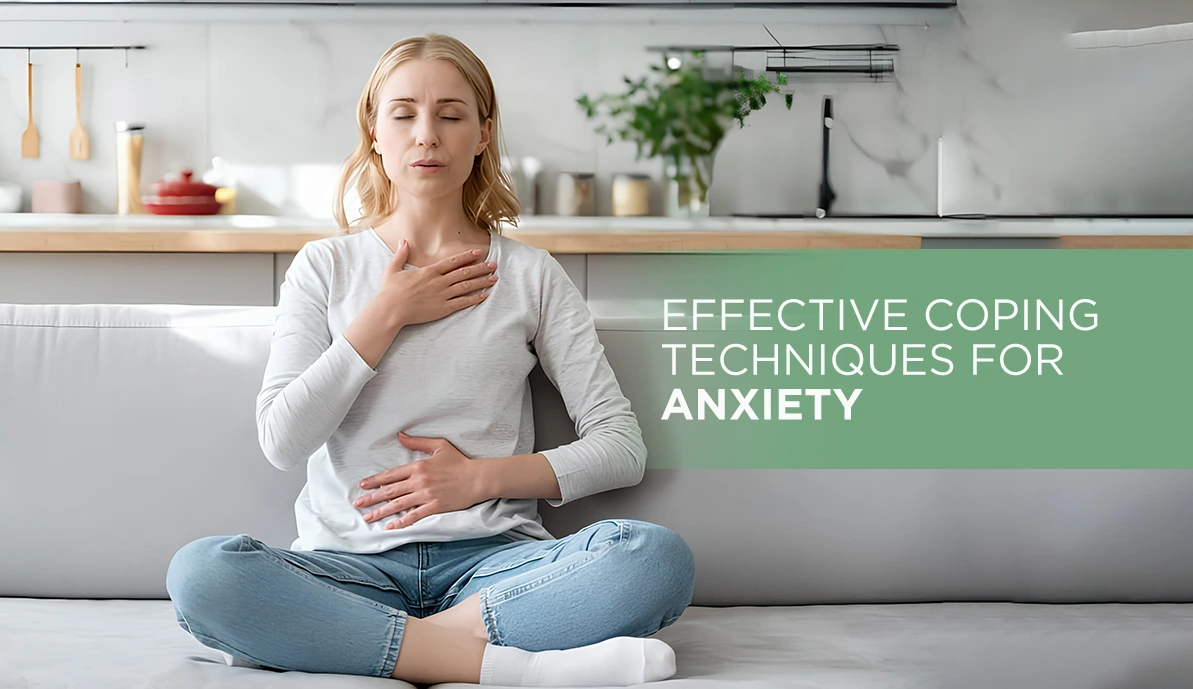
Anxiety disorder is a prevalent mental illness that people of all ages experience. It can manifest as persistent uneasiness or physical symptoms, such as an increased heart rate. Although experiencing anxiety is quite normal sometimes, being exposed to it frequently is detrimental to one’s quality of life. However, there are simple coping strategies that help manage these emotions effectively.
It is crucial to learn how to cope with anxiety in order to restore emotional and physical balance. A few simple activities that you can practice regularly can have a profound impact on your condition. Therefore, a complicated treatment is not necessary, as there are simple ways to cope with this problem.
Simple Techniques to Calm Your Mind
There are some easy techniques to control your mind. Some are immediate “in-the-moment” techniques. Lifestyle habits, behavioral approaches, and professional approaches also help calm your mind. Let’s explore some of these easy techniques.
- One of the most effective techniques to control your anxiety is deep breathing. Gentle and controlled breathing helps soothe the nervous system. This technique helps reduce heart rate and makes you feel happy and relaxed. If you practice this for a couple of minutes per day, this can bring noticeable changes.
- Mindfulness is another technique that involves focusing on the present moment without making any judgments. This technique helps reduce overthinking and keeps the mind from plunging into deep worry or rumination. Practice meditation or quiet observation to improve focus and calmness.
- Another simple technique is to write down your thoughts on paper. This helps to process your emotions and detect triggers causing anxiety. Once you identify the root causes of your anxiety, you will be able to find effective solutions. This simple habit brings clarity and peace of mind.
Take Control of Your Health Today
Quickly check your symptoms and understand your prescriptions with our smart, easy-to-use AI tools.
Lifestyle Changes That Support Mental Health
Certain lifestyle changes help in the long-term management of anxiety and support mental health. These are:
- Exercising has a great effect on decreasing anxiety. Exercises release endorphins that elevate your mood and reduce stress. Taking a daily walk is already considered exercise and can help in this situation. Being physically active will keep your mind and body in good condition.
- Getting proper sleep is crucial when dealing with anxiety disorders. Insufficient amounts of sleep may have a negative impact on you and cause additional stress and more severe symptoms. Having a sleep schedule is very helpful in this case.
- What you eat is also important. Balanced diets are always recommended because they help maintain steady energy levels and prevent dips. Cutting down on caffeine and sugar intake is also a good idea.
Practical Ways to Handle Anxiety Triggers
Knowing the triggers is another crucial element in overcoming anxiety. The trigger could be anything from work-related stress to difficult social situations. Once you identify the trigger, you are better equipped to plan for and manage them, thereby eliminating panic attacks. Dividing big projects into smaller steps is yet another solution that can assist people in tackling their anxiety. Big tasks can become overwhelming and contribute to increased stress. Setting healthy boundaries for oneself is another helpful method of dealing with anxiety. This involves knowing when to say “no.”
When to Seek Professional Help
At times, however, the above techniques might not work. If one experiences anxiety persistently, they need to seek assistance. An individual can benefit greatly from working with professionals to receive appropriate guidance on managing their condition. In certain instances, antidepressants help treat anxiety. Consult your doctor and take the medicine. Combine medication with other measures, such as lifestyle changes, for better results.
Confiding in someone is another approach that can be beneficial. It helps relieve emotional strain. Anxiety can be quite overwhelming. One should not attempt to deal with the issue in isolation.

Developing Long-Term Resilience
Learning to cope with anxiety does not mean eradicating it. Learning to cope with it means learning how to respond appropriately. Regular workouts for coping with anxiety allow you to build your emotional resilience. This enables you to handle the effects of stress. Persistence is vital in this case, as regular actions can have long-term effects. Patience with oneself is needed as well, since improvement is gradual. Follow Medipedia to learn how to manage anxiety successfully, including having the proper tools. As a result, one can achieve balance in one’s life.