

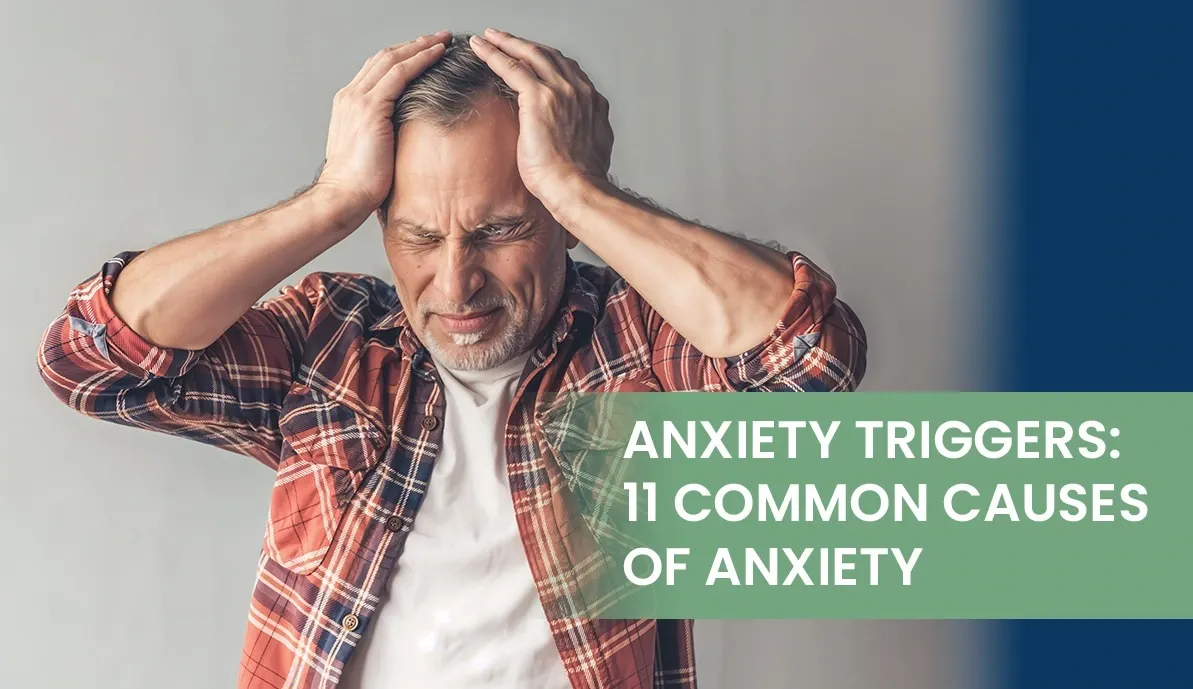
Anxiety is one of the most common emotions that is experienced by many individuals from time to time. This may manifest as worry, uneasiness, or a racing mind. Though some anxiety is normal, too much anxiety can be disruptive to one’s day-to-day living. Recognizing the reasons behind anxiety is crucial. Knowing the triggers makes managing oneself easier.
Triggers vary among individuals. The triggers that affect one individual are unlikely to affect another in the same way. Nevertheless, certain triggers are common to all individuals. Finding out about these triggers makes it easier for you to cope.
Common Causes of Anxiety You Should Know
Detecting your triggers is a significant step in managing anxiety. Anxiety triggers differ from person to person. But there are several common anxiety triggers. Let’s discuss 11 common causes of anxiety.
- Stress at Work or School
Work overload and strict deadlines cause stress. It leads to frequent anxiety and brain exhaustion. The accumulation of stress results in the development of anxiety. Short pauses and proper planning help avoid this source of stress.
- Financial Problems
Money-related worries can be a major source of anxiety. Bills, loans, and daily expenses can feel overwhelming. This stress affects sleep and mood. Creating a simple budget helps bring some control.
Take Control of Your Health Today
Quickly check your symptoms and understand your prescriptions with our smart, easy-to-use AI tools.
- Health Concerns
The threat to one’s health or that of someone dear can be a cause of anxiety. Symptoms, no matter how minor they are, seem threatening when anxiety is prevalent. Keeping up to date with your checkups and information helps reduce fear.
- Relationship Issues
Conflicts with family, friends, or partners create emotional stress. Misunderstandings and a lack of communication often increase anxiety. Open and honest conversations improve the situation. Healthy relationships support mental well-being.
- Lack of Sleep
Poor sleep affects both the body and mind. It can make you feel tired, irritable, and anxious. Over time, lack of rest worsens anxiety symptoms. Maintaining a regular sleep routine is very important.
- Caffeine Intake
Too much caffeine increases heart rate and causes tension. This triggers or worsens several anxiety symptoms. You must avoid tea, coffee, and energy drinks or take them in moderation. Reduce caffeine intake to experience a noticeable difference.
- Social Situations
Some individuals have feelings of anxiety when they are out socially. Interacting with strangers and giving speeches can cause anxiety in many individuals. This kind of anxiety is usually associated with fear of criticism.
- Major Life Changes
Actions like moving, losing someone you love, or switching jobs trigger anxiety. Sometimes, even positive changes make a person feel overwhelmed. Adjusting to any new situation takes time. Adequate support from others makes the process of anxiety management easier.
- Negative Thinking
Constant negative thoughts increase anxiety levels. Overthinking and expecting the worst create stress. Learning to challenge these thoughts is helpful. Positive thinking habits improve mental health.
- Past Trauma
Past experiences can have a lasting impact on mental health. Traumatic events may trigger anxiety even years later. Certain situations may remind a person of those events. Professional support can help in such cases.
- Lack of Physical Activity
A sedentary lifestyle affects mental well-being. Exercise helps release stress and improve mood. Without it, anxiety levels increase. Even light activity like walking often helps.
How to Manage Anxiety Triggers
It is important to identify and understand the triggers. This helps in finding ways to manage them effectively. Let’s discuss some easy ways ot managing anxiety triggers.

Build Healthy Daily Habits
Simple procedures could be quite useful. Healthy eating, regular sleep, and physical activity would enable your body to adapt better. Such things contribute to good mental condition.
Practice Relaxation Techniques
Deep breathing and meditation can relax your mind. These strategies help lower stress levels immediately. It doesn’t take much to get started. You can do it every day for just a few minutes.
Talk to Someone
Expressing your feelings to someone you trust will make things easier. It could be a friend, a family member, or even a professional therapist. Venting out will give you some peace of mind.
When to Seek Medical Help
If symptoms of anxiety persist for several days, seek professional medical help. Only a doctor can evaluate the situation and give you the right guidance. Often, doctors prescribe antidepressants to treat stress and anxiety. Certain medicines work like magic to relieve symptoms. But don’t self-medicate, as it may cause serious health complications.
Conclusion
Triggers for anxiety are present in our daily lives, but there are ways to cope with them. Understanding the typical triggers will help you be ready for anything. A few minor adjustments in your routine may result in significant improvements. Follow Medipedia to get the right information about the usage of antidepressants in treating anxiety and stress. With the proper guidance, you will learn how to manage your anxiety more effectively.