

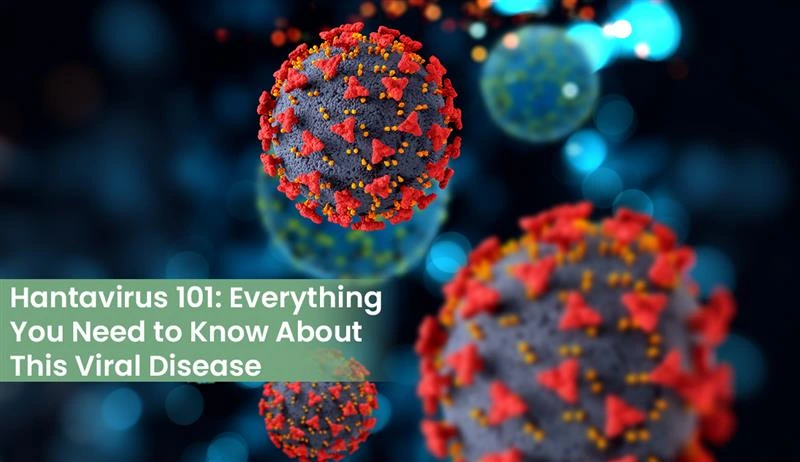
Hantavirus is a rare but life-threatening condition caused by the virus. It infects individuals when they come into contact with an infected rodent. Although uncommon, the infection can be severe and cause serious health problems affecting the respiratory and kidney systems. Most individuals have no idea about the infection because it is rare in most parts of the world.
Rats and mice can act as virus carriers without developing the disease. Individuals contract the virus by coming into contact with bodily fluids, such as urine, feces, and saliva. Ignoring symptoms and failing to seek treatment may lead to complications.
What is Hantavirus?
The term hantavirus refers to a group of viruses transmitted by rodents. There are several hantavirus strains found in different parts of the world. While certain strains can cause lung disease, others may affect kidney function.
In the Americas, it may cause hantavirus pulmonary syndrome (HPS), leading to severe breathing difficulties. Hemorrhagic fever with renal syndrome caused by certain hantavirus strains is more common in Europe and Asia.
Take Control of Your Health Today
Quickly check your symptoms and understand your prescriptions with our smart, easy-to-use AI tools.
How the Virus Spreads
The virus generally spreads when people inhale tiny particles contaminated with infected rodent waste. Sweeping and cleaning rodent-infested areas without major precautions also increases the exposure risks.
People also become infected through:
- Rare rodent bites
- Touching contaminated surfaces
- Eating contaminated foods
- Handling rodents directly
Human-to-human transmission is extremely rare for most hantavirus strains. However, the recent virus outbreak on a cruise has prompted scientists to conduct further research. The virus has taken a toll of 8 lives already.
Common Symptoms of Hantavirus
Symptoms of hantavirus usually appear 1 to 8 weeks after exposure. Early symptoms often resemble flu-like symptoms, making diagnosis hard during the initial stage.
Early Symptoms
Common early symptoms include:
- Chills
- Headache
- Fever
- Fatigue
- Musche pain
- Nausea
- Vomitting
Some people also experience stomach pain and dizziness. These symptoms may worsen quickly if the disease progresses.
Severe Symptoms Can Develop Rapidly
As the infection progresses, difficulty breathing may develop. Fluid accumulation in the lungs can make breathing very hard. This can cause chest tightness, difficulty breathing, or extreme fatigue. With the condition worsening rapidly, seek medical attention immediately.
Who Faces Higher Risk?
People living or working in rodent-prone environments may face greater exposure risks. Farmers, construction workers, campers, and warehouse workers are more likely to encounter rodent-infested areas.
Rural and Outdoor Areas Increase Exposure
Cabinets, barns, storage sheds, and derelict structures could provide a nesting place for rodents. Stirring up dust where rodent droppings are present could release contaminants into the air. People who clean empty spaces without protective gear risk infections.
Diagnosis and Treatment
Hantavirus infection is diagnosed based on clinical signs, patient history, and laboratory tests. Since early symptoms may mimic those of other diseases, alerting the health practitioner to rodent contact becomes crucial.
No Specific Cure Exists
At present, there is no specific antiviral care for most hantavirus infections. Treatment primarily focuses on supportive medical care and symptom control.
Severe cases mostly require:
- Oxygen therapy
- Breathing support
- Intensive care monitoring
- Fluid management
Early treatment helps improve survival rates and lessen complications.

How to Prevent Hantavirus
Prevention generally focuses on decreasing contact with rodents and contaminated settings. Keeping abodes and offices clean helps lower risks.
Safe Cleaning Practice Matters
Never vacuum or sweep rodent droppings directly, as this will spread contaminated particles into the air. Instead, spray disinfectant on the affected area before cleaning.
You can take certain additional preventive measures that include:
- Sealing cracks and holes in buildings
- Storing food properly
- Using gloves during cleaning works
- Removing trash regularly
- Keeping the living spaces clean and dry
Protect Yourself Outdoors
Hikers and campers must avoid rodent nests and feces. Food must be kept secure at all times during outdoor activities. Caution must be exercised when camping in cabins or other buildings that have been vacant for long periods.
Conclusion
Hantavirus is a dangerous disease associated with the presence of infected rodents or infected surroundings. Even though rare, this disease could lead to very serious lung and/or kidney infections if not addressed soon enough. Learning about its symptoms, risk factors, and preventive measures helps raise one’s safety level and awareness. Reducing contact with these rodents is considered the best approach to prevent hantavirus infections. Follow Medipedia for all the latest news and articles on all the latest viral outbreaks. Proper knowledge always helps people stay protected from getting infected. If you experience any unusual symptoms, do not waste time and visit a doctor’s office.