

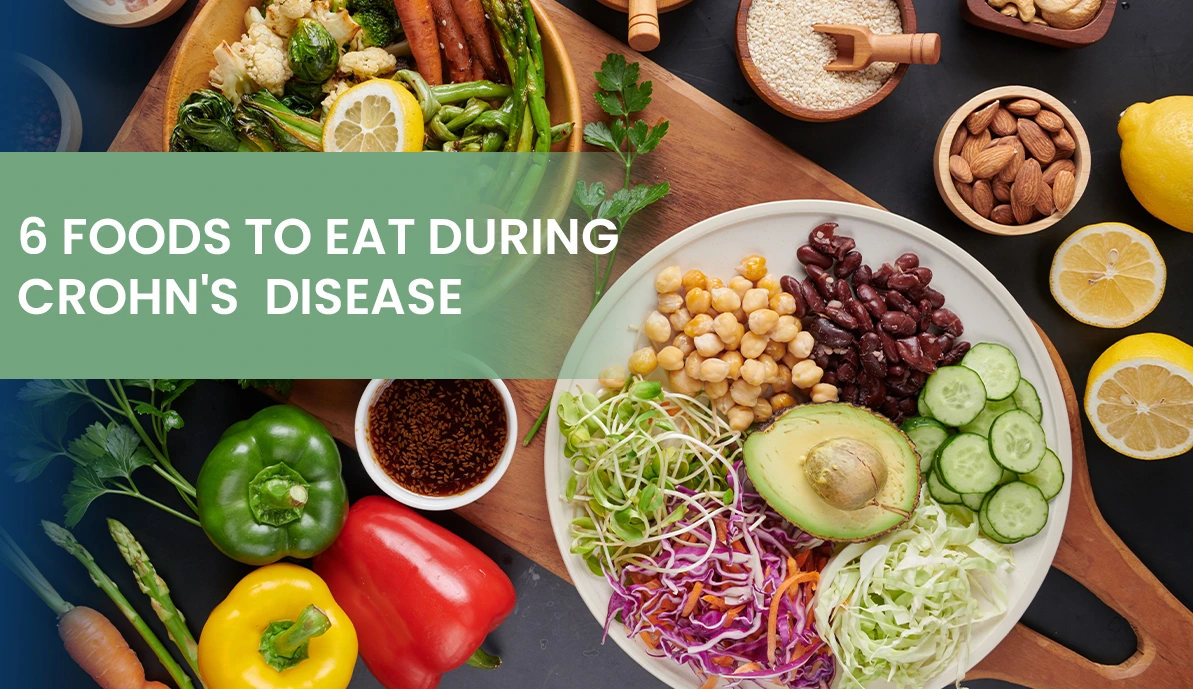
Crohn’s disease is a chronic ailment that causes inflammation in the digestive tract. Some symptoms include pain, diarrhea, and tiredness. A proper diet helps manage these symptoms. However, it cannot cure the illness; rather, it makes people feel better. Consuming healthy foods improves their digestion and energizes them. The following foods are among the most tolerable for people with Crohn’s disease.
6 Foods Dieticians Recommend for Managing Crohn’s Disease
In cases of a flare-up of Crohn’s disease, eating food that is easy to digest and contains high amounts of nutrients but does not contain much fiber is recommended. These foods include lean meat (chicken, fish, and eggs), cooked veggies (carrots, squashes), white rice, bananas, creamy peanut butter, and yogurt.
White Rice
White rice is a simple, easily digestible food. It is low in fibre, making it easy to consume and minimizing irritation in the gastrointestinal tract during flare-ups; high fibre content, on the other hand, makes it difficult for individuals to consume food. White rice is rich in energy, thus offering energy without exerting pressure on the digestive system. In addition, white rice is a suitable option for diarrhea due to its softness and its ability to provide nutrition even during reduced appetite.
Bananas
The fruit is soft and easy on the digestive tract. It contains high levels of potassium and is useful for replenishing electrolytes. This is particularly useful in cases of diarrhea and dehydration. The fruit also supplies instant energy. The fruit is very soft, thus making it easier to tolerate. Ripe fruits are preferred over raw fruits. These fruits may be eaten as is or mixed with simple foods.
Boiled Potatoes
Boiled potatoes are easy to cook, eat, and digest. They are low in fiber after peeling. This makes them perfect in case of flare-ups. Potatoes provide carbohydrates for energy. Boiled potatoes help fill and provide comfort. Avoid adding spices or heavy butter. Keep them plain to prevent irritation. You can add boiled potatoes to a simple, balanced diet.
Take Control of Your Health Today
Quickly check your symptoms and understand your prescriptions with our smart, easy-to-use AI tools.
Lean Protein
Amino acids are key to ensuring proper recovery. Foods such as chicken, fish, and turkey are more easily digested. This means that proteins can help keep the body healthy without consuming too much fat. It is also necessary to pay attention to how you cook these foods. Opt for cooking methods like grilling, baking, and boiling rather than frying. This makes digestion easier.
Yogurt
Yogurt is beneficial for gut health in certain individuals. Yogurt contains probiotics, beneficial bacteria. They help balance the digestive tract. Nonetheless, not everyone will tolerate this food. Always opt for low-fat plain yogurt without any added sugars. People living with Crohn’s may experience difficulty with dairy products. Avoid yogurt if it causes any discomfort.
Cooked Vegetables
It is more difficult for the body to process raw vegetables during flare-ups. The vegetable should be cooked, as that will make it easier to digest. Examples of good vegetables include carrots, zucchini, and spinach. The cooking process breaks down the fiber in the food. Vegetables should preferably be steamed or boiled. It is not advisable to use spices or oil in preparing the vegetable.
| Foods | Dieticians Recommend for Managing Crohn’s Disease |
|---|---|
| White Rice | Easy to digest and gentle on the stomach |
| Bananas | Soft, easy to digest, and help with digestion |
| Boiled Potatoes | Simple, filling, and easy on the gut |
| Lean Protein | Helps build strength without irritating the stomach |
| Yogurt | Contains good bacteria that support digestion |
| Cooked Vegetables | Softer than raw veggies and easier to digest |

Tips for Managing Diet with Crohn’s Disease
Diet plays a vital role in managing any disorder, including Crohn’s disease. Here are some valuable tips to help you manage the symptoms.
- Eat small and frequent meals to reduce pressure on the digestive system.
- Drink plenty of water to support digestion and overall well-being.
- Avoid foods that trigger the symptoms.
- Keep a food diary to help you find which foods suit you best.
Everyone’s body responds differently. Hence, it is important to take a personalized approach to treat the symptoms. However, if you suffer from chronic pain in your stomach, consult your doctor and take painkillers.
When to Seek Medical Advice
In case of serious symptoms, a visit to a physician is necessary. Loss of weight, sharp pain, and diarrhea cannot be overlooked. The specialist will tell you how to organize your diet and other treatment measures. They might prescribe additional supplements if needed. Consulting a dietitian would be another option. They can prepare a special diet for you that includes all the necessary elements.
Bottom Line
Living with Crohn’s Disease means being very selective about what you eat. Eating simple, digestible foods will help you feel better. When you experience flare-ups, include plain white rice, bananas, and low-fat proteins. You can also consider eating cooked vegetables and yogurt. It is essential to pay attention to your body. If pain persists, you must consult your doctor and seek proper medication. Several painkillers help reduce abdominal pain. Follow Medipedia to learn about the role of painkillers in treating various disorders. Proper knowledge and timely treatment help prevent further complications.