

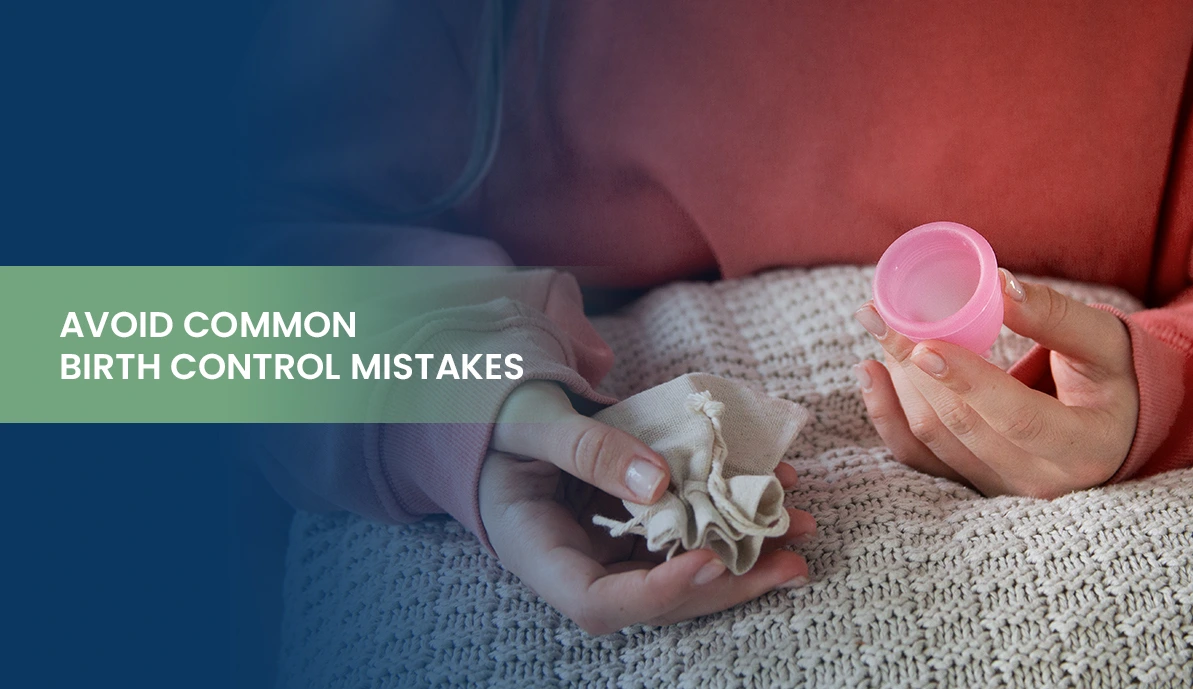
Mistakes are a part of life. But not all mistakes have the same consequences. When it’s about birth control, even a small mistake can lead to a serious outcome. One such consequence is an unplanned pregnancy. In the U.S., more than half of the pregnancies are unplanned and unwanted, and you know, why? It happens mostly due to the incorrect use of birth control. It’s critical to choose the most effective contraception option for you when options are so many. Hormonal therapies or IUD (intrauterine devices) insertion are the most potent birth control options. The doctor performs the insertion once, and you don’t have to think further. After a given timeline, for instance, 3 to 5 years, you have to visit the doctor to replace or remove the device. Whichever method you choose, make sure you follow the right steps for the best results.
There are certain birth control mistakes you must avoid.
-
Missing the medicine as scheduled
Oral contraceptives or pills are the most popularly used method of birth control among women. 1 in every 7 women opt for the oral birth control technique. You need to take the pill every day at the same time. The pill stops the process of releasing eggs. Any break in the routine can cause pregnancy. Missing a pill or starting the new batch of pills too late before having sex – all come under birth control mistakes. Most women get pregnant when they miss a dose. It’s important to set a reminder so you take the pill every day without missing.
-
Taking other medicines that affect birth control
Inform your doctor about your birth control choice when the medical professional prescribes you medicines for other ailments. Some medicines or supplements might adversely impact the hormonal birth control. Make sure none of the other medicines you take interacts with the birth control process.
-
Inserting a damaged diaphragm
Diaphragms are put inside the vagina to cover the cervix and block sperm from entering the uterus. You should check the diaphragm and keep it ready at least 2 hours before sex. This method requires preparation and adjustments; the device may get damaged in the process. Take care of your diaphragm when it’s not used. Clean the device with soap and warm water. Keep it dry and store it in a clean place. Check for any cracks or wrinkles in the device. If you notice any leak, inform your doctor immediately.

-
Using expired condoms or applying the wrong lubricants to condoms
It’s easy to buy a bunch of condoms and leave them somewhere else long before you use them. Remember, condoms come with expiry dates. It matters where you store your condoms to keep them in good condition. Check the expiry dates of your condoms. Throw them out once they are old. Store them away from direct sunlight or moisture.
-
Not using condoms to prevent sexually transmitted infections (STIs)
Oral contraceptives or pills are 99% potent in protecting you from unwanted pregnancies. Intrauterine devices are even more effective. None of the options can provide protection against sexually transmitted diseases like AIDS, gonorrhea, chlamydia, and syphilis. When you are using any form of birth control to prevent pregnancy, a condom is the protector. It features great potential. You can use the protection to prevent both sexually transmitted diseases and pregnancy.
-
Smoking and taking oral contraceptives simultaneously
Smoking causes adverse health side effects in itself. The habit becomes more detrimental when it combines with oral contraceptives. Simultaneous consumption of both leads to health risks like stroke, cardiac arrest, and other serious health issues. The risk gets high with ageing. It’s recommended not to smoke if you are on oral contraceptives, or don’t opt for this specific birth control method if you can’t quit smoking.
-
Stopping the birth control pill intake midway due to side effects
Some contraceptives may cause side effects. You may experience side effects like bleeding between menstrual cycles, headache, nausea, spotting, tender breasts, etc. The contraceptive patch might cause skin irritation. IUD devices cause heavy bleeding and cramps. Don’t stop the birth control medication. Talk to your healthcare provider about the side effects. The medical professional can discuss the potency of other methods that are a better fit.
-
Not consulting a healthcare expert
If you are worried about making mistakes with birth control, see whether you are ready to change your contraceptive method. Women can opt for tubal ligation and men for vasectomy when considering a permanent birth control method. After 3 months of the surgery. You don’t have to worry about using further temporary birth control methods for sex or other side effects.
Medipedia is a source of accurate healthcare and medical information to keep you informed and aware of critical health concerns that may worsen if not addressed on time.