

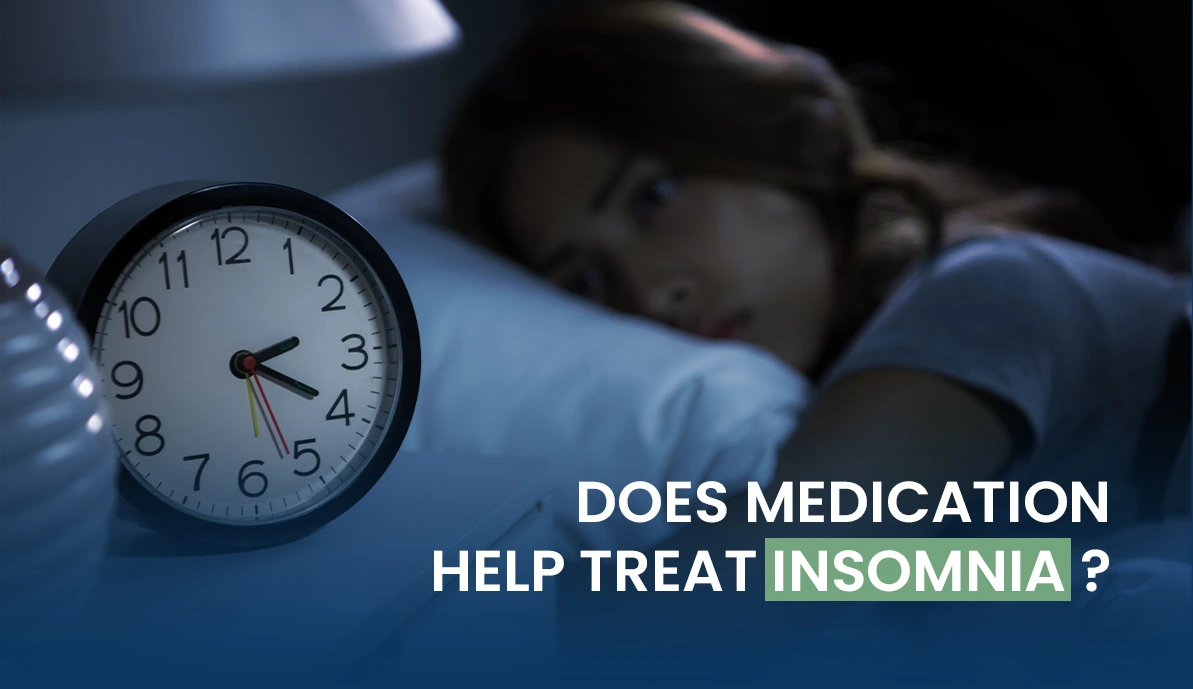
Sleep is a fundamental requirement for maintaining your physical and mental health. When a person fails to fall asleep or stay asleep, it may be a symptom of insomnia. This condition affects moods and concentration. Many people wonder whether they can control the condition through medication.
Yes, they can do it through medication. However, a smart approach is likely to bring the best results. A doctor generally considers the cause of insomnia before prescribing any treatment. Doctors always prefer a thorough diagnosis of insomnia before prescribing any medication. In this blog, we will discuss the diagnosis process, treatment, and medications that help medical professionals treat insomnia effectively.
Diagnosis
Based on your condition, the diagnosis of insomnia and the cause of insomnia may include:
- Physical exam: In case the cause of insomnia is not known, your health care professional may conduct a physical exam to look for signs of any medical condition that may be related to insomnia. At times, doctors order blood tests to screen for thyroid or other conditions that may cause insomnia.
- Review of your sleep habits: In addition to asking questions, your health care professional may ask you to complete a questionnaire that assesses your sleep-wake cycle and sleepiness. The patient must keep a sleep diary for a couple of weeks.
- Sleep study: If the cause of your insomnia is unknown or there is suspicion of another related sleep disorder, doctors may conduct a sleep study at a sleep center. They conduct tests to monitor and record different body activities while at the center. These include brain waves, breathing, heart rate, eye movements, and body movements.
Treatment
Modifying your sleep pattern and attending to issues such as insomnia-related stress, medical problems, and medications leads to restful sleep for most individuals. If these measures fail, your doctor may recommend cognitive behavioral therapy, medications, or a combination of both to help you relax and sleep better.
Cognitive Behavioral Therapy (CBT) for Insomnia
Cognitive behavioral therapy for insomnia can help you stop or control negative thoughts and actions that prevent you from sleeping. Doctors normally recommend CBT as the first option for people who have insomnia. Most often, CBT is as effective or even more effective than sleep medication.
The cognitive part of CBT helps you learn to change or learn beliefs that affect your sleep. CBT also helps you stop or control negative thoughts and worries that prevent you from sleeping. CBT helps you stop worrying about going to sleep so much that you cannot sleep. The strategies that doctors normally follow are:
- Stimulus control therapy – This technique helps train the mind and body to sleep well and not fight sleep.
- Relaxation methods – Progressive muscle relaxation, biofeedback, and breathing exercises are ways to lower anxiety at bedtime.
- Sleep restrictions – With this method, you reduce the time you spend in bed and stop napping during the day, resulting in less sleep.
- Remaining passively awake – This strategy for insomnia aims to reduce your worry and anxiety about falling asleep.
- Light therapy – If you fall asleep too early and then wake up too early, you can use light to push back your internal clock.
Medication
In most cases, doctors recommend medication for severe or long-term conditions. When lifestyle modifications do not help alleviate insomnia, doctors recommend sleep aids. These medications help you fall asleep faster or sleep longer. Doctors also decide the type and amount of medication that a patient needs to treat insomnia. Not everyone may need the same medication. Some people may need mild sleep medications, while others may need stronger medications.
Types of Medications for Insomnia
There are various types of medicines available to treat insomnia. Some are prescription medicines, while others are available for purchase over the counter. The common types of drugs include sedatives, antihistamines, and melatonin supplements. Each type of medicine has its own way of helping the patient fall asleep. Doctors often prescribe potent medicines like Zopisign and Eszopiclone tablets to treat insomnia.
Doctors recommend the doses to ensure patients avoid dependency for a short time. The use of over-the-counter medicines is not advisable for long-term use.
Benefits of Taking Medication
Sleep medication can help relieve sleep problems immediately. This is especially important for controlling sleep patterns and getting a good night’s rest. This can greatly help a person’s overall mood, concentration, and energy levels. For those who are struggling greatly with their sleep, this can really help them through a difficult time. Sleep medication also helps break a cycle of sleep loss. When a person sleeps well, their body returns to a normal sleep cycle. This helps the patient sleep without the need for a drug. This brings great results, especially if it’s a short-term use of the drug.
Risks and Side-Effects
Some Insomnia medications have side effects, like dizziness, daytime sleepiness, and memory problems. In addition, the drugs can lead to dependency, especially after using them for a very long time. For this reason, doctors advise on the use of these drugs. It is risky to use these drugs without proper guidance, as they may mask the symptoms of insomnia without curing the condition itself. The patients must always adhere to the doctor’s prescription and dosages and visit chambers for regular check-ups.
When to See a Doctor
If insomnia persists for a few weeks or starts interfering with your life, you need help. A physician can help you determine the underlying cause of insomnia and the best course of treatment. Treatments include medication, therapy, or lifestyle changes. Early treatment helps prevent the condition from worsening. Do not take insomnia lightly. Proper diagnosis helps prevent complications from the condition. A thorough treatment plan brings better results. Professional advice guarantees safe and effective treatment.
Final Thoughts
Medication is effective for treating insomnia. It is effective in the treatment of severe and short-term insomnia. It offers instant relief and helps develop healthy sleep habits.
The combination of medication and healthy habits may result in the best outcome. Small lifestyle changes can also lead to healthy sleep habits. With the right approach, you can manage and control insomnia. Healthy sleep habits are important for a healthy and balanced lifestyle. Medication helps in treating insomnia. But patients must take the prescribed doses to achieve better outcomes.