

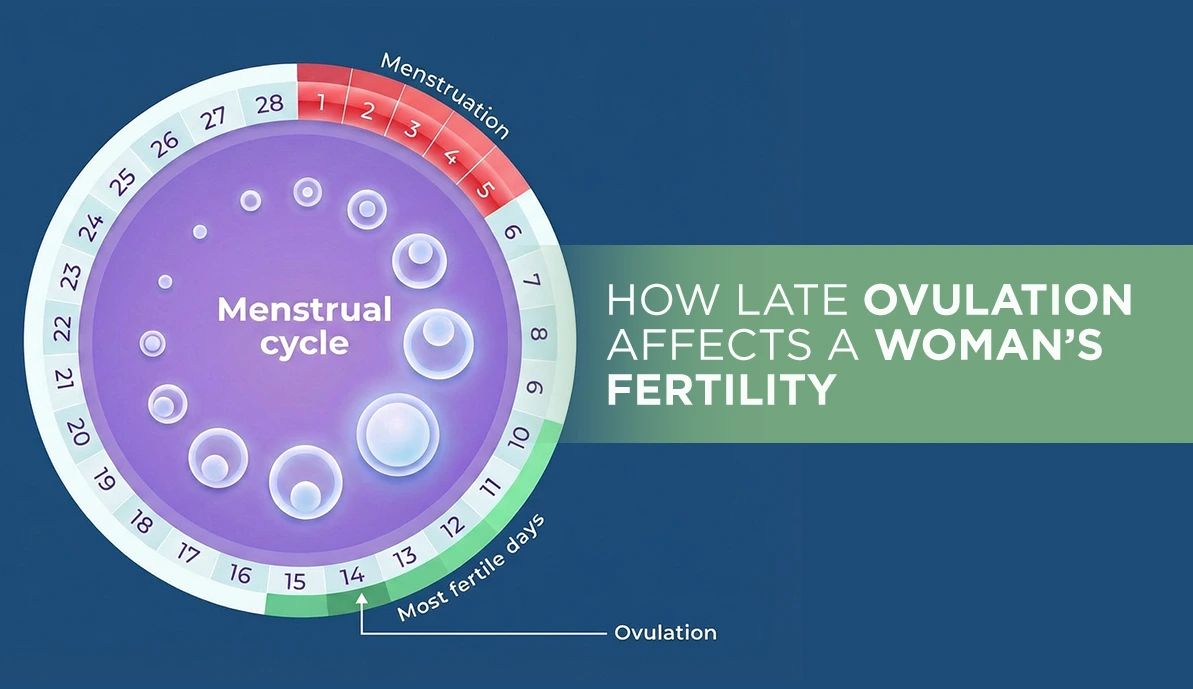
Ovulation is the time when the egg is released from the ovaries. This usually takes place halfway through the menstrual cycle. However, some women have late ovulation. This is when the egg is released later than expected in the menstrual cycle. Late ovulation affects fertility in different ways. One effect is that it becomes difficult to know when to conceive. This is because it becomes difficult to know when the woman is fertile. Learning about this condition will help women better plan for conception.
What Is Late Ovulation?
Late ovulation occurs when ovulation occurs after day 21 of the cycle. The normal cycle lasts for about 28 days, but this can be extended. When ovulation is delayed, it affects the fertile window. It is thus difficult to monitor ovulation. Hormonal imbalance is a common reason for late ovulation. The body must have an adequate balance of hormones for ovulation to occur at the right time. Any interference with this balance delays ovulation.
Causes of Late Ovulation
Every woman is different. This means various factors are responsible for late ovulation. Let’s discuss the key causes.
Hormonal Imbalance
Hormones such as estrogen and progesterone control the menstrual cycle. If these hormones are out of balance, ovulation may be delayed. Certain conditions, such as Polycystic Ovary Syndrome (PCOS), also affect hormone levels, resulting in late ovulation.
Stress and Lifestyle Factors
Stress leads to high levels of stress hormones, which interfere with the normal production of hormones in the body. This causes delayed or ceased ovulation in the woman. A woman also experiences delayed or ceased ovulation due to an unhealthy diet, inadequate sleep, and excessive exercise. A balanced lifestyle is essential.
Thyroid Disorders
Thyroid hormones play a pivotal role in regulating the menstrual cycle. Disorders like Hypothyroidism delay ovulation. These conditions need proper medical care. Treating the thyroid issue improves fertility.
Weight Changes
Sudden weight gain or loss can alter hormone levels. Being underweight or overweight causes delayed ovulation. Body fat contributes to hormone production. It’s best to maintain a healthy weight.
How Late Ovulation Affects Fertility
Late ovulation makes it harder to conceive. The fertile window or phase becomes unpredictable, making it difficult to conceive. In such situations, couples miss the best time for conception. This reduces the chance of pregnancy. Late ovulation also impacts egg quality. The longer the cycle, the greater the risk of hormonal imbalance. This affects fertilization and implantation. Routine cycles are mostly associated with improved fertility outcomes.
In many cases, delayed ovulation leads to shorter luteal phases. This is the period between ovulation and menstruation. A small luteal phase fails to support implantation. This makes it difficult to maintain a pregnancy.

Signs of Late Ovulation
Women also experience changes in menstrual cycles. Key signs of late ovulation include:
- Longer menstrual cycles.
- Changes in cervical mucus.
- The fertile mucus appears later than expected.
- Changes in basal body temperature.
These signs are useful in tracking ovulation.
How to Improve Ovulation Timing
There are many ways to improve ovulation timing. Let’s explore some.
- Healthy lifestyle modifications support regular ovulation.
- Eating a balanced and nutritious diet helps maintain hormone levels.
- Regular exercise and proper sleep play a vital role in improving the timing of ovulation.
- Managing stress and anxiety is significant.
- Tracking ovulation improves the chances of conception.
- Using tracking devices like ovulation predictor kits and cycle tracking applications helps.
- Medical treatment often helps improve the timing of ovulation.
Most doctors recommend medications to regulate ovulation. Treating associated conditions like Polycystic Ovary Syndrome or thyroid disorders is essential. Professional medical guidance helps detect the root cause.
When to See a Doctor
It is essential to seek medical attention if the cycles are regularly irregular. Women who are planning to conceive but are not succeeding should seek medical attention. Late ovulation could be the cause of the failure to conceive. Doctors recommend hormone tests to determine the hormone levels in the body. They also recommend ultrasound tests to monitor the woman’s ovulation process. An accurate diagnosis enables the doctor to create an effective treatment plan.
Conclusion
Late ovulation impacts a woman’s fertility. This is because conception is affected. Hormonal imbalance, stress, and medical conditions are the main causes of late ovulation. Learning about the symptoms is essential in the early management of the situation. Lifestyle modifications and medical assistance are essential in managing late ovulation. You must monitor the cycles and seek timely medical advice. With proper management, any woman is capable of conceiving. Follow Medipedia to learn more interesting facts about pregancy and women’s health. Being aware is very important.