

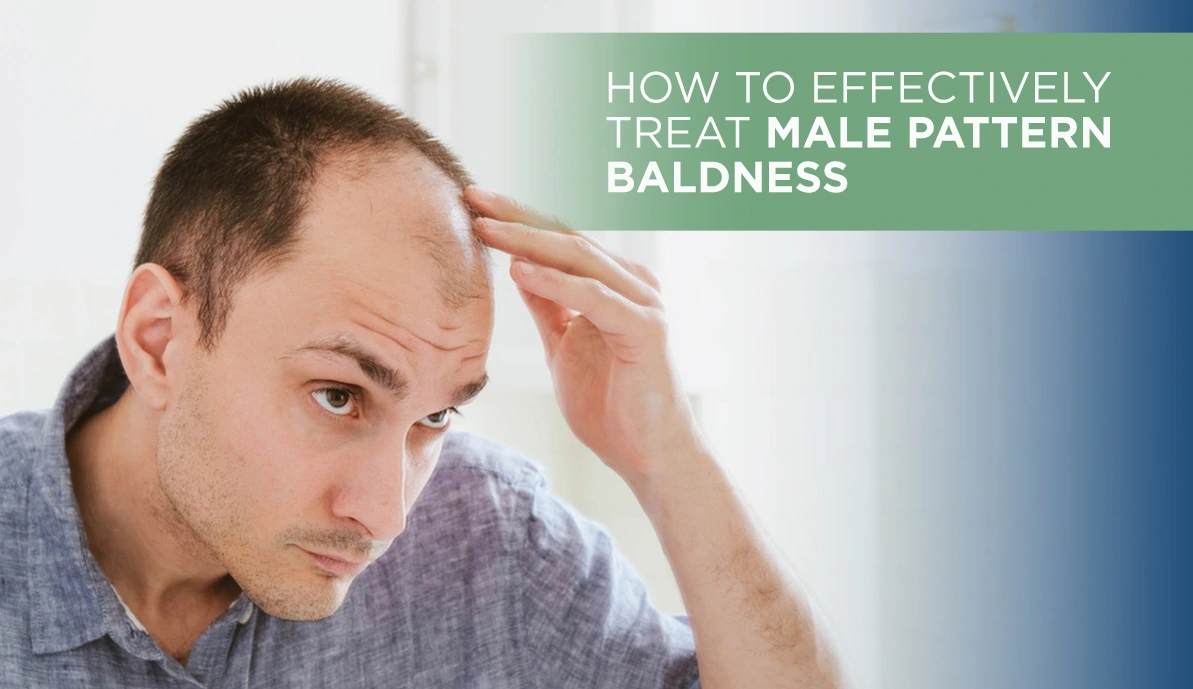
Male pattern baldness is a common condition that affects many men. It normally begins with a receding hairline and/or balding on the crown of the head. This condition progresses with increasing balding. This is a natural condition, but there are various ways of controlling it.
Genetic and hormonal factors cause male pattern baldness. DHT hormone reduces the size of the hair follicle. As the hair follicle shrinks, the rate of hair growth decreases. Understanding the cause helps in choosing the right treatment. In this blog, we will see how effective treatment for male pattern baldness can help prevent early and excessive hair loss and promote regrowth.
Early Signs You Should Not Ignore
Hair loss occurs slowly at first. Hence, it is not easy to understand the early signs. One may notice more hair falling when combing or washing. Another early sign is hair thinning at the temples and the top of the head. These signs or symptoms call for early action. Early detection and action improve treatment results. The sooner you begin, the better your chances of slowing hair loss. If you ignore the symptoms, you may end up losing most of your hair over time. Observing small changes makes big differences.
Key Treatment Options
Effective treatment for male pattern baldness usually involves FDA-approved medications like topical Minoxidil and oral Finasteride. These medications help stop hair loss and promote regrowth. Other treatment options include hair transplantation or a permanent result. Let’s discuss some key treatment options in detail.
Medical Treatments That Work
There are several effective medical treatments for male pattern baldness. One of them is Minoxidil. It is mostly applied directly to the scalp to help boost blood flow to hair follicles. This supports hair growth over time.
Another option is Finasteride. It functions by decreasing DHT levels in the body. Lower DHT levels help shield hair follicles from shrinking. Both treatments need regular use for visible outcomes. Consult a doctor before using these medications.

Lifestyle Changes that Make a Difference
A person’s daily habits affect hair growth and health. Stress is one of the main factors associated with hair loss. You must manage your stress through relaxation techniques, exercises, or yoga. A calm and relaxed mind supports better health and reduces hair fall. Sleep helps your body restore and remove toxins more easily. Poor sleep affects hormone balance. Sleep also plays a key role in maintaining hair growth. Poor sleep disrupts hormone balance, worsening hair thinning. You must maintain a healthy routine to improve both hair growth and overall well-being. A healthy diet and a lot of water also help prevent hair loss.
Advanced Treatment Options
People who suffer from severe hair loss must opt for advanced hair loss treatments. Hair transplant is one option. The process involves moving healthy hair follicles to thinning areas. The result is long-lasting. You can also try laser therapy, which stimulates hair follicles. Doctors generally use laser therapies alongside other treatments to achieve better results. Consult a doctor and choose the most apt treatment options that suit your needs.
When to See a Doctor
If the hair loss increases to alarming levels, seek medical assistance. A doctor identifies the exact cause of the problem. They recommend a course of action based on your condition. You should avoid relying on home remedies if the condition worsens. Medical assistance provides the necessary care. Additionally, it prevents wasted time and energy on things that might not work. Getting the right assistance is crucial.
Let Your Hair Smile
You can manage male pattern baldness with the right approach and treatment. Proper lifestyle changes and care also play a significant role in reducing hair loss. Always start treatment as soon as you notice symptoms and maintain consistency for better outcomes. While hair loss becomes stressful at times, effective solutions can make you happy. The right treatment slows down the process and improves hair density. If you are concerned about excessive hair loss or thinning of hair follicles, consult a doctor for advanced treatment. Follow Medipedia to learn more about hair loss and the treatment options available to relieve symptoms.