

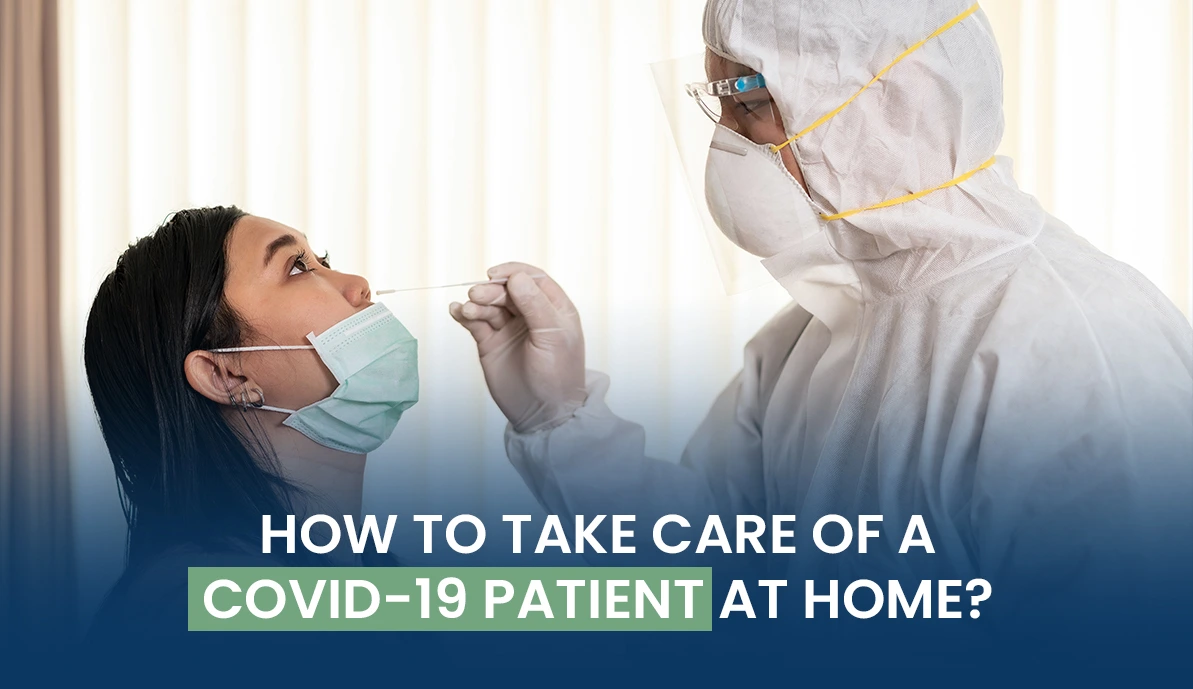
Family members can treat COVID-19 at home if the signs and symptoms are mild. This ensures proper care since the patient receives the right treatment and recovers safely. Moreover, it reduces the spread of the virus by ensuring proper care at home. In addition, it reduces pressure on hospitals since not all patients need hospitalization. With proper care, the patient recovers without any complications.
Caring for a patient at home requires proper attention and planning. You need to concentrate on both care and safety. Small steps can make a big difference in the patient’s recovery. Understanding what to do can help you feel calm and prepared. In this blog, we will discuss the nitty-gritty of home care remedies to treat COVID-19 patients.

Is Home Care Safe for COVID-19 Patients?
Home care is safe for patients with mild symptoms. These include mild fever, sore throat, cough, and weakness. Family members must ensure that the patient has no breathing difficulties or serious health complications. If symptoms are stable, home isolation works well. However, patients who are prone to serious health issues need close and constant monitoring. Family members must stay alert and take action to prevent complications.
Let’s discuss the steps for caring for a COVID-19 patient at home in the following section.
- Set up a safe isolation space: Keep the patient in a separate room. This minimizes contact with other family members. Ensure the room has good ventilation and easy airflow. Fresh air helps reduce the spread of the coronavirus. Doctors also suggest allotting a separate washroom if available. If not, clean and sanitize the shared washroom daily. Limit visitors and unwanted movement within the house. These key steps help shield others in the home.
- Maintain hygiene and protection: Good hygiene and cleanliness are important during home care. The patient must wear a mask when in the presence of others. Caregivers must also wear masks and wash their hands frequently. They can use soap, water, and hand sanitizer for this purpose. This lessens the risk of contamination. Clean surfaces like tables, chairs, and door knobs on a daily basis. Use disinfectant to keep the area safe. Avoid sharing items like utensils and towels. Small precautions prevent contamination.
- Monitor symptoms regularly: Record the patient’s symptoms daily. Check body temperature and oxygen levels. Use an oximeter for this purpose. This device helps measure oxygen saturation. Normal levels are generally above 94%. Watch for signs like chest pain or shortness of breath. These need medical attention. Keeping a daily record helps track the progress. It also helps doctors to provide advice whenever needed.
- Provide proper nutrition and fluids: A healthy, balanced diet supports speedy recovery. Provide light, nutritious food such as organic vegetables, fruits, and protein. Warm liquids, such as herbal drinks or soups, are helpful. The patient must stay hydrated during this critical phase.
- Ensure enough rest and comfort: Rest is key to recovery from COVID-19. Ensure that the patient gets enough sleep and avoids stress. A soothing living environment helps heal the disease faster. Limit screen time if it causes strain. Comfort also plays a vital role in the healing process. Keep the room clean and well-lit. Always provide adequate support, as it improves recovery.
- Use medicines as prescribed: Only give medicines that the doctor prescribes. Don’t self-medicate or use drugs randomly. Medicines like Iverheal, Azithromycin, and Mebendazole work well in treating COVID-19. Consult your doctor and follow the right dosage. Proper use of medicines ensures safe recovery.
- Watch for warning symptoms: Some symptoms require emergency medical attention. These include low oxygen levels, confusion, and shortness of breath. Chest pain and dry lips are also serious symptoms. Prompt action can save the patient. It is always good to stay alert and read the warning signs before it is too late.
- Protect yourself as a caregiver: Your health matters a lot, and you need to stay fit and strong throughout the entire phase. Always maintain distance and wear a mask. Wash your hands after every meeting or interaction. Get ample rest and eat well to stay strong. You must also monitor your health symptoms daily. Protecting yourself is equally important.
| Care Step | What to Do | Amount / Key Numbers |
|---|---|---|
| Isolation Space | Keep patient in a separate room, good airflow, separate washroom if possible | 1 room, 1 washroom (if available) |
| Hygiene & Protection | Wear masks, wash hands, clean surfaces daily, don’t share items | Daily cleaning, frequent handwashing |
| Symptom Monitoring | Check temperature and oxygen levels regularly | Oxygen level: above 94% |
| Nutrition & Fluids | Give healthy food, fruits, protein, and warm liquids | Regular meals + fluids |
| Rest & Comfort | Ensure enough sleep and low stress | Full rest daily |
| Medicines | Use only doctor-prescribed medicines | Follow exact dosage |
| Warning Signs | Watch for serious symptoms like chest pain or low oxygen | Act immediately if symptoms appear |
| Caregiver Safety | Wear mask, keep distance, monitor own health | Daily self-check |
Bonus Tips
In some cases, COVID-19 symptoms may worsen rapidly. It is important to recognize early signs of worsening symptoms. If the patient experiences difficulty breathing, confusion, and blue lips, immediate medical help is required. In addition, a high fever that does not respond to treatment requires immediate attention. Caring for a patient suffering from COVID-19 at home requires patience, care, and attention to detail. Even simple measures such as isolating the patient, maintaining hygiene, and providing adequate nutrition can help in the patient’s recovery. By monitoring the patient’s condition, you can identify complications and address them in a timely manner. With proper care, most patients recover from COVID-19 at home without any complications. Follow Medipedia for all the latest updates on COVID-19 and its treatment.