

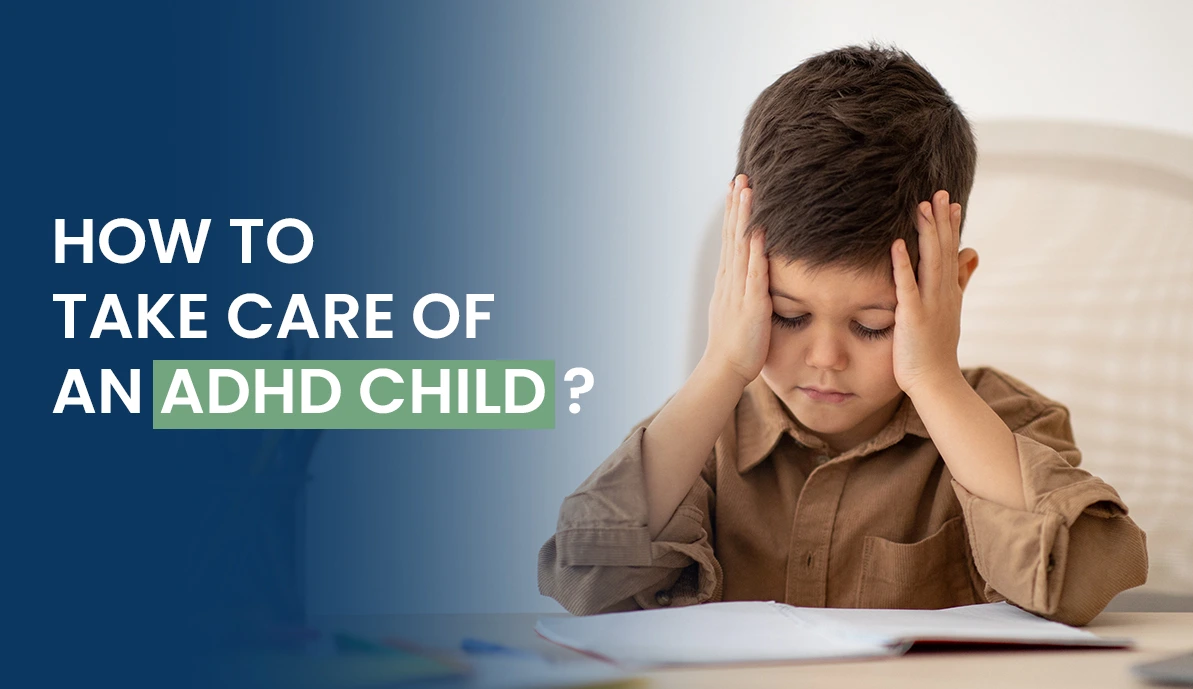
Is your child displaying impulsive behavior or having trouble sustaining attention during an activity? If your child is exhibiting such behavior severely enough and is having problems in more than one area of life, this symptom could be an indication of a neurobehavioral disorder such as attention-deficit/hyperactivity disorder, also known as ADHD.
ADHD is a chronic disorder that affects millions of children and adults. It is a combination of symptoms, including difficulties sustaining attention, hyperactivity, and impulsivity. ADHD children may have problems with low self-esteem, school anxiety, poor relationships, and poor performance in school. Symptoms often decrease as the child ages. Some people never outgrow the symptoms of ADHD. However, they can develop the skills they need to succeed.
Types of ADHD
ADHD is categorized into three major types. These are:
Inattentive ADHD
It was previously known as ADD. The symptoms of inattention are present in people with inattentive ADHD, while there are no symptoms of hyperactivity/impulsivity.
Hyperactive/Impulsive ADHD
In this type of ADHD, there are symptoms of impulsivity/hyperactivity, while there are no symptoms of inattention.
Combined
People with the combined type of ADHD show symptoms of inattention, impulsivity, and hyperactivity, and this is the most common type of ADHD.
Strategies to Manage and Take Care of ADHD Children
The first step towards helping your child is to understand them. All children with ADHD are unique in their own way. What may work for one child may not work for another. Patience is important in the development of a child with ADHD. Small steps can lead to great things. Here are 6 strategies to manage and take care of an ADHD kid.
Create a Simple and Clear Routine
Children with ADHD benefit from organizing their day into a routine. Having set times for sleeping, eating, homework, etc., can help them organize their day. This reduces confusion and helps them know what is expected of them. Also, when giving them tasks, one should not assign too many at once. Rather, one can break them up into smaller steps. Visual charts can help them remember their tasks. Having a daily routine gives them a sense of security.
Encourage Positive Behavior
It is better to use positive reinforcement instead of punishment, especially for children with ADHD. When they finish tasks or behave, praise them. Rewards, like stickers, can motivate them as well. It is important not to criticize them frequently, as this may reduce their self-confidence level. It is important to focus on the positive aspects of the children’s behavior rather than criticize them for what they are doing wrong. When correcting, be calm, as this helps the children learn better.
Manage Screen Time and Distractions
Excessive screen use can lead to increased restlessness and a shorter attention span. Limit the use of mobile phones, television, and video games. Encourage activities that demand concentration, such as drawing or puzzles. This can help improve concentration. Prepare a conducive environment for studying or homework. Remove distractions, for example, noise or mess. A conducive environment can help them concentrate better. Even a small change can make a big difference.
Support Their Physical Activity
Children suffering from ADHD show excessive energy. Physical activity is essential to help them utilize their excess energy properly. Physical activities such as running, cycling, or sports can help them have a good mood, focus, and sleep properly. Outdoor activities boost their energy levels. This not only keeps them physically active but also improves their health. Physical activity can help reduce hyperactivity and improve their behavior. Physical activity is a vital part of their care.
Teach Social Skills Gently
Sometimes, children with ADHD may have difficulties in making and maintaining friendships. They may interrupt people or act impulsively. You may explain to them the basics of social skills with examples. Role-playing is one effective way to help them understand how to act in a given situation. Teach them to take turns and listen to people. You may praise them for good social skills. It is not easy to develop social skills in a child with ADHD. You need to guide them gently.
Ensure Healthy Eating and Sleep
A well-balanced diet is important for the brain and health. Include fruits, vegetables, and grains in the child’s diet. Also, include protein in their diet. Avoid excessive sugar and processed foods, as they may lead to hyperactivity. Healthy eating habits help a child improve their mood and concentration. Sleep is also an important factor for the child with ADHD. Maintain a proper bedtime schedule. The child must have a bedtime routine. Lack of sleep may exacerbate the problem. The child needs proper sleep for improved concentration and calm behavior.
Consider Professional Support
Sometimes, it is important to seek professional help to deal with ADHD. Experts can provide appropriate guidance on managing your child’s condition. This may require behavioral therapy or medication. One thing to always remember is to follow experts’ advice, avoid self-medication, and ensure your child is regularly monitored to track progress. Professional help ensures your child is well cared for, thereby providing parents with appropriate ways to address their challenges. Consult doctors who can help you with the right dose of medication to treat your child. Medicines like Waklert, Modalert, and Artvigil have been potent medicine options to treat narcolepsy in children with ADHD.
Final Thoughts
To take care of a child with ADHD, one must be patient and understanding. Simple routines, support, and a healthy lifestyle can greatly improve the behavior of a child with ADHD. You must assess the child’s strengths and gradually build their confidence.
All children develop and learn at their own pace. Children with ADHD have the potential to do very well in their lives. The most important factor in their growth is your support. Small daily efforts will lead to their overall success.