

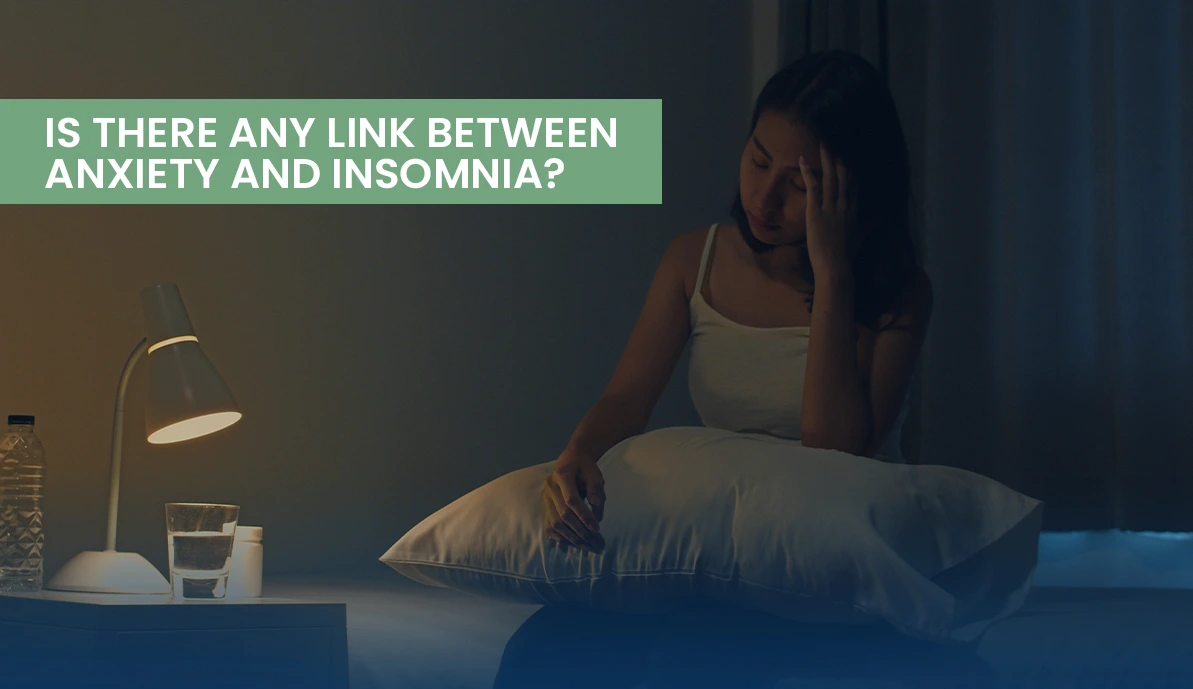
Feelings of anxiety and insomnia usually occur together. Individuals suffering from Anxiety Disorder have been found to suffer from Insomnia as well. This relationship between the two disorders is not accidental. Medical professionals believe that Anxiety Disorder and Insomnia influence one another, forming a vicious cycle that is difficult to break.
Sleep plays an essential role in regulating our emotions. Sleep disruption increases sensitivity to stressful situations. As a result, anxiety increases. The vicious circle continues as sleep is affected by increased anxiety.
Take Control of Your Health Today
Quickly check your symptoms and understand your prescriptions with our smart, easy-to-use AI tools.
How Anxiety Affects Sleep
Anxiety keeps the mind active at night. People who think too much about their future or past issues find it hard to fall asleep due to tension. This mental imbalance makes people unable to relax properly, and hence they find it difficult to fall asleep at night. Certain physical symptoms of anxiety also impact the sleep cycle. These include:
- Sweating
- Muscle tension
- Fast heartbeat
- Lack of alertness
All these make it difficult to achieve a restful sleep. One more issue is fear. This creates too much pressure and stress during bedtime. Over time, people start worrying about lying in bed rather than sleeping. This pattern leads to long-term Insomnia.
How Insomnia Can Increase Anxiety
The connection between Insomnia and anxiety works both ways. For example, the condition of insomnia might negatively affect Anxiety. In the process, a lack of sleep will affect one’s ability to think clearly and handle emotions. Due to lack of sleep, even smaller issues will seem bigger, reducing one’s patience and making them irritable. These factors can contribute to the emergence of anxiety on a daily basis.
Furthermore, poor-quality sleep impairs decision-making and concentration. As a consequence, one starts worrying about work or routine tasks and experiences increased levels of stress.
The Vicious Cycle Between Anxiety and Insomnia
The connection between anxiety and Insomnia has frequently been referred to as a vicious cycle. Insomnia leads to anxiety, which in turn leads to more insomnia, with the process lasting for several weeks or even months. Breaking out of such a cycle is important for improving one’s well-being.
One of the most widespread patterns associated with the vicious circle is preoccupation with one’s inability to sleep. People get stressed about their lack of rest, which makes it harder to fall asleep. Lifestyle factors are another major component of the cycle between the two disorders. Activities such as late-night gadget use or caffeine consumption make it difficult to fall asleep.
Ways to Manage Anxiety and Improve Sleep
Sometimes, self-help techniques are not sufficient. In such instances, when one continues to experience symptoms of Anxiety and Insomnia, one needs to see a doctor or a therapist who can give appropriate guidance so that serious complications do not arise. In most cases, your health care provider recommends Cognitive Behavioral Therapy (CBT). It is useful because it helps you change your negative thinking and sleep behaviors. It is effective in addressing both anxiety and insomnia.
Doctors recommend medications depending on the severity of your symptoms.

Enjoy a Deep Night’s Sleep
The relationship that exists between anxiety and insomnia is very clear. The two conditions worsen each other. It is vital to understand this relationship if one wants better health. You can reverse this relationship through appropriate practices. This involves having a proper schedule and managing stress. In case of need, medical help is available and would provide a permanent solution. Follow Medipedia to learn how insomnia affects our daily lives and which treatments help ease its symptoms. It is always better to have prior knowledge than to get confused. If symptoms persist for more than 7 days, consult a doctor and take the right medicine.