

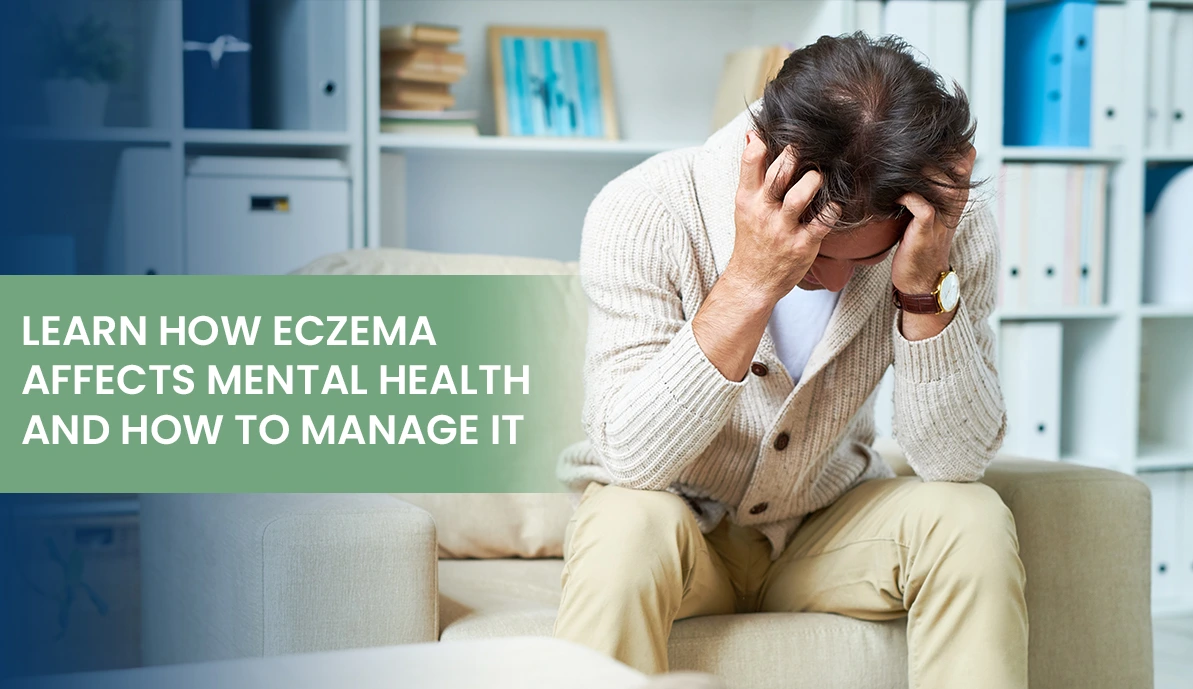
Eczema is not just about the skin; it affects your physical and mental state. The never-ending urge to scratch, the skin’s dryness, and the appearance of the disease on the surface can become very taxing. Eczema sufferers are also prone to experiencing emotional distress. Recognizing this relationship will help you handle both aspects of the problem.
How Eczema Impacts Mental Health
Eczema makes life difficult for some people. The irritation and uneasiness affect normal functioning. It also disrupts sleep and causes fatigue. In the long run, this condition could affect mood and concentration. Appearance problems negatively affect one’s self-confidence. There might even be feelings of embarrassment about the skin problems. As a result, there may be avoidance of social settings. According to the 2024 research review, pro-inflammatory cytokines cross the blood-brain barrier and disrupt neurotransmitters, such as serotonin. These effects increase the chance of developing mental health conditions such as depression.
Depression and anxiety also affect individuals with atopic dermatitis. These individuals are reported to be six times more likely to suffer from depression, anxiety, and ADHD compared to children who do not have atopic dermatitis. Additionally, some studiesTrusted Source suggest that children who have atopic dermatitis exhibit behaviors, such as avoidance and suppression of emotions, which are signs of inward behaviors at 4 years of age.
Symptoms to Watch For
It’s not always easy to spot the early symptoms of anxiety or depression. Symptoms can develop slowly and are often mistaken for work stress or fatigue.
- Stress and Eczema Flare-Ups: There exists a relationship between stress and eczema. Eczema can be brought about by high levels of stress, while, on the other hand, it can cause stress as well. This forms a vicious cycle which can be difficult to end. Stress in the body triggers the production of certain hormones, which, in turn, exacerbate inflammation.
- Sleep Problems and Fatigue: Most people with eczema suffer from anxiety problems. Anxiety due to potential outbreaks or how one looks could cause distress. This would affect social interactions and the person’s self-esteem. People may shy away from socializing. In certain instances, this condition may cause the individual to feel depressed. This is because of the uneasiness that one feels in their skin.
Take Control of Your Health Today
Quickly check your symptoms and understand your prescriptions with our smart, easy-to-use AI tools.
Ways to Manage Mental Health with Eczema
Managing eczema involves both mental and physical effort and care. Developing a simple routine helps reduce stress. Keep your skin moisturized. It helps prevent irritation and dryness. You must consult a doctor before applying any skin care medication or moisturizer to ensure you don’t experience any allergic reactions. Various relaxation techniques reduce mental stress. Deep breathing, gentle workouts, and meditation help calm your mind. These good habits help lessen flare-ups.
Develop a Support System
Family and friends’ support is essential. Expressing yourself helps alleviate stress. You will not feel lonely when you have someone who understands how you feel. Communication is key in promoting emotional health. It might help if you join support groups. Meet people with whom you have common ground. They might teach you ways of coping with situations.
Maintain a Healthy Lifestyle
A good lifestyle promotes not only physical well-being but also skin and psychological condition. Healthy eating provides the body with the nutrients it needs. Hydration helps maintain moist and glowing skin. Exercise has a positive influence on the psyche and overall activity level. Do not provoke exacerbations of your disease by any means possible. It may be specific foods, weather, or stressful situations.

Seek Professional Help
If eczema and stress become difficult to manage, seek medical assistance. A healthcare professional can guide you and provide you with the right skin care treatment. Proper, on-time treatment helps manage eczema and reduce the mental stress it causes. Just as you treat skin problems, it is equally important to take care of your mental health. A therapist or counselor can help you overcome the trauma.
Final Thoughts
Eczema is an inflammatory skin condition that affects your mental health. Not only does living with eczema increase the chances of experiencing anxiety or depression, but it also makes your skin problem feel worse. Working with your dermatologist can help you overcome the situation. Various skin care ointments help treat this skin condition. Talk to a doctor and apply it to your skin. Apart from this, eczema impacts your emotions, sleep and overall confidence. Follow Medipedia to learn how small changes in lifestyle and habits help cure the skin condition and overcome stress.