

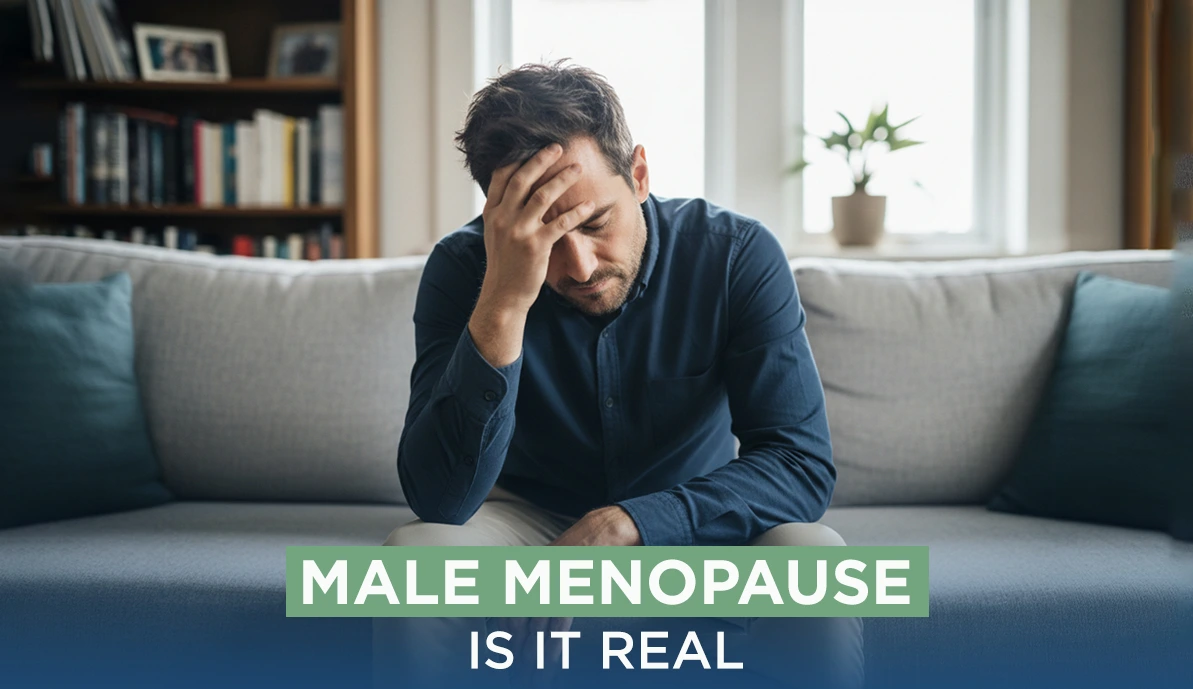
While many people have heard of menopause in women, few are aware of male menopause. The term is often a source of curiosity and confusion. Men do not experience a sudden halt in reproductive hormones as women do. However, men can experience a gradual halt in their hormones as they age.
Low testosterone levels mainly cause male menopause. Medical science calls this condition Andropause. Middle-aged and older men experience this condition. The knowledge of this condition is essential for men to live a healthy life.
What Is Male Menopause?
Male menopause is the set of hormonal changes that occur in males as they age. It is not as abrupt as female menopause. The levels of the male hormone testosterone gradually decrease with time. This gradual decrease affects male health, both physically and emotionally. Not all males go through the effects of male menopause. To some males, the effects of male menopause are mild and thus easy to control. To other males, the effects of male menopause could be more pronounced.
Causes of Male Menopause
Male menopause, also called andropause, happens due to a decrease in testosterone levels by a percentage of 1% every year after the age of 30-40. Other factors include chronic diseases, stress, lifestyle habits, and psychological factors, leading to a decrease in libido, fatigue, and mood swings. Let’s discuss some primary causes and factors of male menopause in detail.
Primary Causes and Factors:
- Natural Aging: Testosterone levels generally decline after men reach 40 or 50.
- Chronic Health Conditions: Type-2 diabetes, obesity, liver problems, kidney infections, and cardiovascular disorders are major contributors to causing male menopause. Sleep apnea is also a key factor.
- Lifestyle Choices: Improper diet, lack of exercise, excessive alcohol consumption, and smoking exacerbate the decline in testosterone.
- Psychological and Emotional Stress: Depression, anxiety, extreme stress levels, and “mid-life” crisis factors trigger male menopause.
- Medical Interventions: Testicular injury, infection, radiation, or medications such as steroids or opioids affect hormone levels. Chemotherapy also impacts the symptoms.
- Late-onset Hypogonadism: This is a medical condition where the testes stop producing testosterone, often linked to aging and ongoing health problems.
Common Male Menopause Symptoms
Men who are experiencing some of the signs of a decline in testosterone levels may feel a range of different physical and emotional changes, including:
- Erectile dysfunction, or the inability to get an erection
- Decreased sex drive, infertility
- Depression, fatigue, or sleep problems
- Increased body fat, decreased muscle mass, and decreased bone density.
It is difficult to know when to see a doctor if a man thinks he has a testosterone deficiency. Men with a decrease in sex drive and weight gain may experience hormone-related problems. Heart disease, obesity, high blood pressure, and type 2 diabetes are some of the health problems that older men with these symptoms may be experiencing.
A blood test can confirm if a man has a testosterone deficiency and if he needs to be treated. These problems are often detected during a doctor’s check-up.

Physical Effects on the Body
Hormonal changes affect the body in several ways. Men experience a loss of muscle and a gain of body fat. Additionally, bone density may decrease. Such changes affect a person’s overall health and strength. Men experience reduced stamina and a slower recovery. Weight gain, especially in the abdominal area, is also a common effect of hormonal changes. Such changes influence a person’s lifestyle. It is, therefore, important to maintain a healthy lifestyle.
Emotional Impact
Male menopause not only affects the human body, but it also strongly impacts mental well-being. Irritability, mood swings, and low motivation are common symptoms. Some men feel less confident or anxious. The changes affect conjugal relationships and work performance. In some instances, people often relate these feelings to depression. Before the symptoms worsen, seek medical assistance.
Diagnosis and Medical Advice
Doctors diagnose male menopause based on the symptoms and blood tests. Doctors check blood testosterone levels to assess the condition. It is not advisable to self-diagnose the condition. Some conditions may have similar symptoms. Hence, it is vital to seek medical attention to receive the right treatment. Consultation at the right time can help avert complications.
Treatment Options
There are various ways to treat a man with low testosterone, which include testosterone replacement therapy. Such a therapy helps improve a man’s mood, energy, and sex drive. However, this remedy is not applicable to everyone. Your doctor can tell you whether this remedy will work for you based on your health profile. It’s important to note that testosterone replacement, for example, often causes prostate cancer to progress, as well as increases the risk of heart disease. Medical supervision is necessary to avoid side effects.
Lifestyle Alterations That Help
Some men can benefit from certain lifestyle modifications to alleviate their symptoms, and they might not need any testosterone replacement therapy. It’s always a good idea to consider all the available options.
Here are some useful lifestyle tips:
- Exercise regularly
- Eat a healthy and balanced diet
- Get enough sleep
- Manage stress effectively
- Don’t smoke or consume alcohol
Aging Well
Male menopause is a real condition, but it is not the same as the female menopause. It is a progressive condition associated with aging and hormonal changes. Learning more about male menopause is a good way for men to take care of themselves. If the symptoms interfere with your daily life, it is a good idea to consult a physician. Having a positive attitude about health is important. Regular check-ups and screenings help find and fix problems early. Follow Medipedia for more information on male menopause and other men’s health issues.