

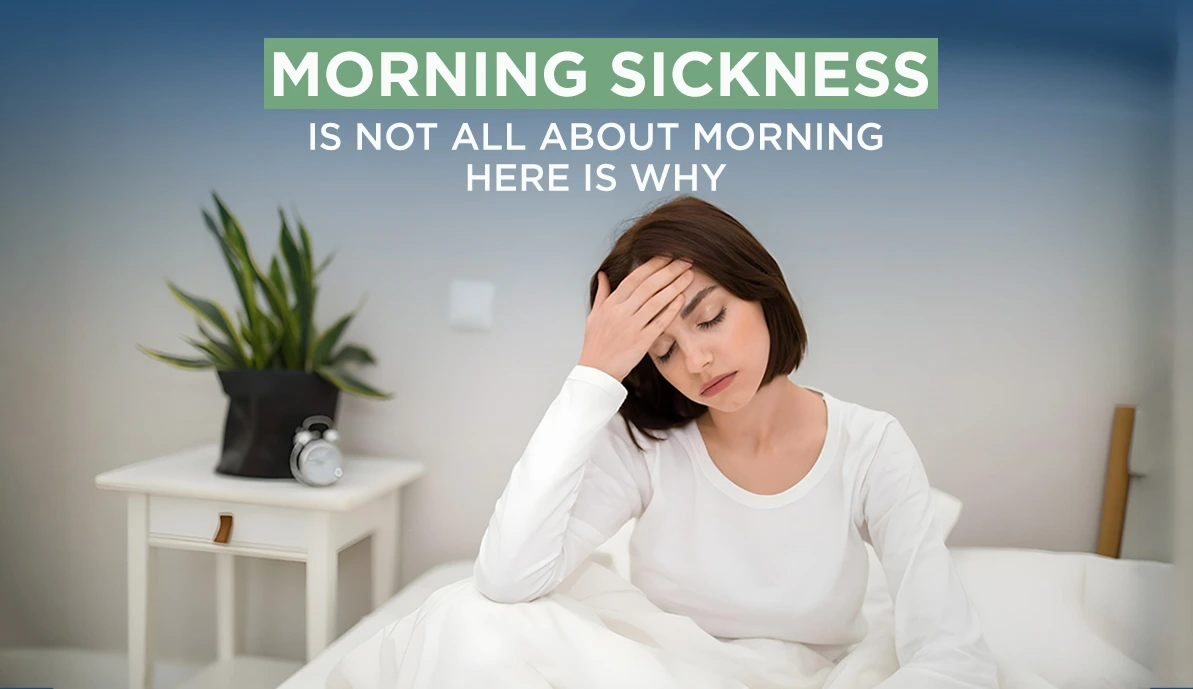
About 70% of pregnant women experience morning sickness. However, the name is misleading, as the sickness can occur at any time of day. Changes to diet and lifestyle help alleviate morning sickness until it goes away. If morning sickness is severe, contact an obstetrician, who may recommend medication or IV fluids. In this blog, we will explore various angles of morning sickness and how you can reduce it.
What is Morning Sickness?
Morning sickness is a term for nausea and vomiting in pregnancy. It is a common problem that occurs in up to 70% of pregnant women in the first trimester of pregnancy, which is the first three months of pregnancy. Despite its name, morning sickness does not necessarily occur in the morning; its symptoms occur at any time of day. There are a number of home remedies for morning sickness, and some doctors recommend taking over-the-counter medications for nausea and vomiting. Morning sickness symptoms resolve in the second trimester of pregnancy, which begins at the 14th week.
How Soon Does Morning Sickness Begin?
The problem begins as early as the 6th week of pregnancy. But the precise timing varies. Most women experience morning sickness before the 9th week of pregnancy.
When Does Morning Sickness Peak?
Morning sickness becomes worse around the 10th week of pregnancy. However, not everyone’s symptoms peak at the same time.
How Long Does It Last?
Morning sickness symptoms usually subside or disappear by the 13th week of pregnancy, which marks the end of the first trimester of pregnancy. For some, however, morning sickness persists even into the second trimester, which lasts 14-27 weeks. For a few, morning sickness persists until the end of pregnancy.
What Causes Morning Sickness?
The cause of morning sickness isn’t entirely known, but healthcare providers believe it’s a mix of physical and chemical changes. It may be caused by:
- The hormonal changes in the body cause morning sickness. Hormone levels, such as human chorionic gonadotropin, increase rapidly in the body during early pregnancy.
- Sensitivity to smell, stress, and fatigue.
- Low blood sugar also contributes to morning sickness.
- Changes in metabolism.
Morning sickness worsens due to the following factors:
- Motion sickness
- Stress and anxiety
- Eating or smelling certain foods
- Heat or moist weather
Why Does Morning Sickness Happen Anytime?
Morning sickness does not necessarily occur in the morning. The hormone levels remain high during the day, not just in the morning. This means nausea can strike at any time when your body reacts to the hormone fluctuations. The empty stomach theory also exists. If you go too long without eating, nausea can worsen. This might explain why some people experience morning sickness in the afternoon or evening. Irregular meals can make it worse.

The Role of Smell and Taste
During pregnancy, the sense of smell is more acute. You might find that some smells, which you never found bothersome before, now seem overpowering. This happens at any time, not just in the morning.
Foods, perfumes, and cooking smells become problematic. These aren’t morning-specific triggers. Avoiding these smells and opting for mild foods helps alleviate symptoms. These small changes make a big difference.
Tips to Manage Morning Sickness
There are several things you can do to control or manage morning sickness. Making minor changes to your diet and lifestyle can go a long way toward reducing nausea. Let’s discuss the diet changes you must make to control morning sickness.
- Eat meals multiple times a day instead of three major meals. Don’t skip meals.
- Eat a few toasts in the morning to help your stomach settle. Keep a few crackers next to your bed and eat a few before getting up.
- Avoid oily and spicy foods. Prefer bland foods such as rice, dry toast, banana, boiled or baked potato, gelatin, eggs, and applesauce.
- Consume nutritious and protein-rich snacks between meals. Prefer to eat peanut butter, yogurt, cheese, nuts (unless allergic), apple slices, and celery.
- Drink plenty of liquids, especially water, throughout the day. Say no to caffeinated drinks.
- Carry a bag of fat-free snacks when you go out.
- Make sipping a cup of tea with real grated ginger a luxury.
Lifestyle Changes That Help
Here are some lifestyle changes that help manage morning sickness:
- Prefer to take your prenatal vitamins with a snack. Take iron and vitamin-rich tablets at night. Talk to your doctor about other supplements.
- Avoid flickering lights, odors, and situations that disturb your sleep and trigger nausea.
- Sleep well and take plenty of rest.
- Keep rooms well ventilated. Switch on the fan or step out of the room whenever you feel uncomfortable.
- Smell fresh. Prefer to use scents such as lavender, mint, and lemon.
- Rinse your mouth after you vomit. This helps protect your teeth from the acid present in the vomit.
When to See a Doctor
Most cases of morning sickness are not serious. If the symptoms become severe, seek emergency medical help. This is especially true in cases of vomiting and inability to retain food, which leads to dehydration. It is important not to take any signs of weight loss and extreme weakness lightly, as this may be a symptom of Hyperemesis gravidarum, and seek medical help at the earliest.
Conclusion
It’s quite obvious that morning sickness during pregnancy makes the whole experience quite unpleasant. It’s extremely common to feel sick during pregnancy, especially during the first trimester. The good news, however, is that most pregnant women find that once they enter the second trimester, morning sickness subsides. Changing your lifestyle and eating habits might help alleviate your morning sickness symptoms until they go away. Let your obstetrician know if you are vomiting several times a day, are not eating, and are losing weight. Follow Medipedia for more news and updates on pregnancy and women’s health issues.