

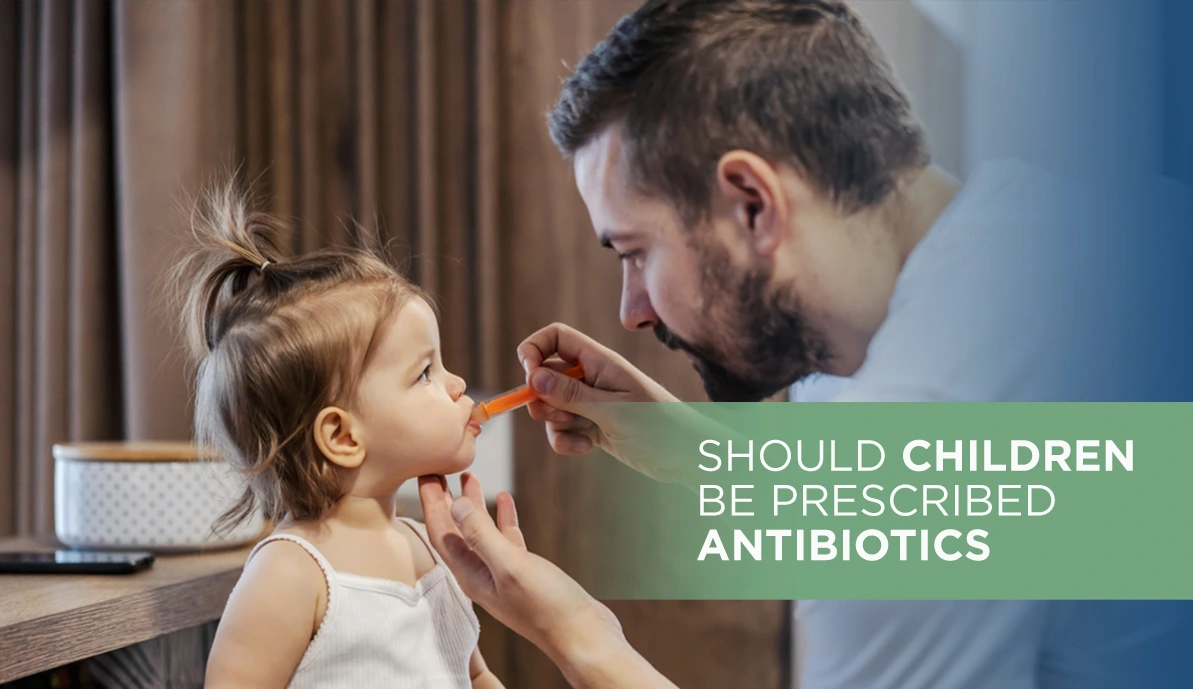
Doctors generally prescribe antibiotics to treat bacterial infections. These medicines have been lifesavers on many occasions. In fact, antibiotics are an integral part of medicine today. The use of antibiotics in children must be carefully considered. This is because not every illness requires antibiotics, especially in children.
Some parents demand antibiotics for their children when they fall ill. This is generally because of a lack of knowledge about the use of such medicine. This knowledge is important for ensuring children’s health. In this post, we will learn whether we can give antibiotics to our children, if so, how much.
What Are Antibiotics and How Do They Work?
Antibiotics are medicines used to treat bacterial infections. They kill the bacteria or prevent them from multiplying. In children, some common infections such as ear infections and strep throat may require antibiotics. These help the body get well quickly. Antibiotics do not work on viruses. Some infections, such as the flu, cold, and sore throat, are viral. If antibiotics are taken for such infections, they will not help the body get well. In the long run, they will even harm the body.
Use antibiotics when there is an emergency or need. This is because antibiotics are effective in treating serious infections. Any misuse of the drug decreases its future effectiveness.
When Are Antibiotics Necessary for Children?
Doctors recommend antibiotics only when children suffer from bacterial infections. Antibiotics are necessary when children suffer from:
- Bacterial pneumonia
- Urinary tract infections (UTIs)
- Strep throat
- Whooping cough
- Certain ear infections
A proper diagnosis is essential before any medication. Doctors use physical tests to confirm the infection. This helps them choose the right antibiotic and dose. Not every child’s condition is the same. This is why doctors take special care while recommending an antibiotic dose. Sometimes, doctors ask parents to wait and observe health conditions before prescribing antibiotics. This phase is known as the “watch and wait” approach. This helps avert unnecessary medication. At times, symptoms improve on their own.
Adverse Effects of Antibiotics for Children
Parents who choose to use fewer antibiotics for their children find alternative ways to treat their kids. This reduces short-term side effects, such as stomach upset, diarrhea, and other gastrointestinal (GI) symptoms. Recent studies indicate that overexposure to antibiotics in early childhood disrupts the gut microbiome and leads to adverse and long-term effects. Many doctors opine that the more a kid takes antibiotics, the more selective pressure is placed on their system for resistant pathogens. Children are more susceptible to microbiome disruption when they take antibiotics during the first 5 years of life. This reduces temporary or long-term immune function. To help children recover from the adverse effects of antibiotics, keep the following foods and liquids in their daily diet:
- Fermented food
- Yogurt
- Watermelon juice
- Probiotic and prebiotic drinks
- Lentils
- Cereals
- Egg white

Risks of Overusing Antibiotics
Overuse of antibiotics can cause numerous health problems. Common side-effects of antibiotics in children are:
- Children become antibiotic-resistant
- Bacteria become stronger as the medicine stops functioning
- Children suffer from stomach pain
- Diarrhea is common in children caused by an overdose of antibiotics
- They experience allergic reactions
The overuse of antibiotics can, in this way, also disrupt the body’s balance. It damages beneficial bacteria, which are helpful for digestion and a healthy immune system. This, in turn, results in other health problems.
Why Parents Should Be Cautious
The role of parents in antibiotic use cannot be overstated. It is important not to demand antibiotics for every illness. Trusting a doctor’s advice is the best approach. It is also important not to use leftover antibiotics or share them with someone else. This is because a prescription is meant for a specific illness and a specific patient. Wrong use leads to delays in the appropriate time. It also increases health risks. Another important consideration when using antibiotics is completing the course. Stopping early allows bacteria to survive.
Safe Use of Antibiotics in Children
The first step in safe usage is proper medical guidance. Medication must always be taken under a doctor’s guidance. The doctor will determine the appropriate dose based on the child’s age and weight. Parents must follow the doctor’s guidance. This includes proper timing, dose, and duration of medicine. This helps maintain a proper level of medication in the child’s body. Monitoring the child during antibiotic usage is also necessary. If you notice any unusual symptoms, you must seek proper medical guidance.
Alternatives to Antibiotics
Not all illnesses require antibiotics. Some illnesses, especially those that occur in children, are viral. They resolve on their own. Some measures that you can take to help manage the symptoms include:
- Drink warm fluids.
- Use saline drops to help alleviate symptoms.
- Take paracetamol to control fever.
It is also important to note that children’s immune systems can fight off mild infections, which is advantageous in the long run.
Final Thoughts
Antibiotics play a pivotal role in curing bacterial infections. But parents must be extra cautious while giving the medication to their children, as there could be side effects. Parents must remember that these medicines treat bacterial infections, not viral ones. Overuse of antibiotics leads to resistance and unwanted health problems. Careful use ensures your child recovers fast and leads a healthy life in the future. Parents must rely on professional medical advice and avoid self-medication. Understanding the role of antibiotics helps in making wise decisions. Follow Medipedia to learn how antibiotics play a vital role in treating bacterial infections. Proper knowledge is essential, and it increases awareness and responsibility.