

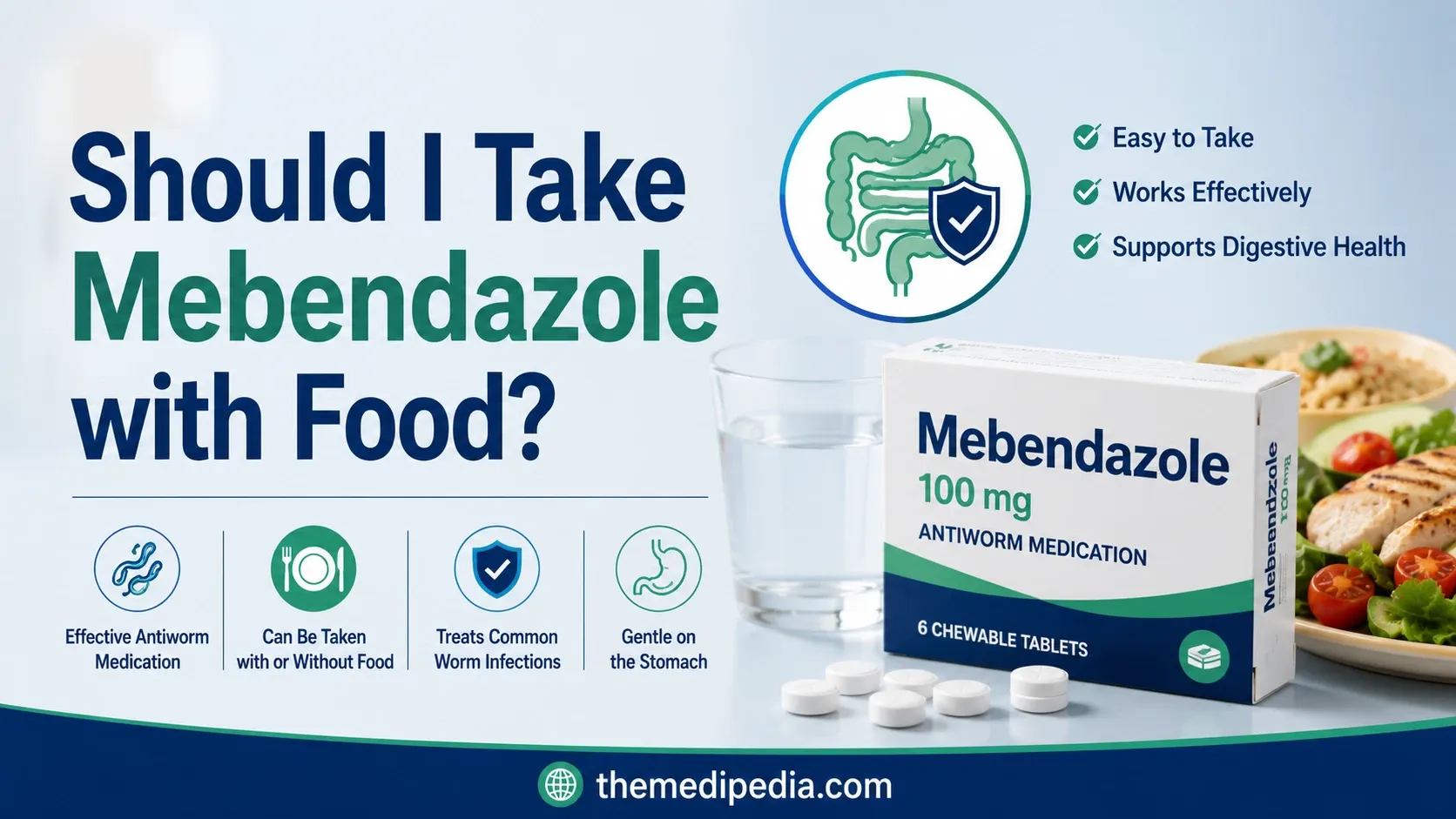
Mebendazole is a common parasiticide that can help combat several types of worm infestations within the body. You may wonder about the appropriate way to take your medication once you have been prescribed this drug or plan to start your course soon. Knowing how to take your dosage properly may be essential to achieving positive results.
Generally, you can take mebendazole with or without food. Nonetheless, taking your dosage may differ depending on the specific type of infection, among other factors.
What Is Mebendazole?
Mebendazole 100mg is effective because it inhibits glucose uptake by worms, which helps them survive. In the absence of glucose, the worms die and will be flushed out of the body.
Diseases Treated by Mebendazole
- Pinworm disease
- Roundworm disease
- Hookworm disease
- Whipworm disease
- Intestinal worm disease
The treatment period and dosage may vary depending on the disease. The medicine comes in two major dosages, 100 mg and 500 mg.
Can Mebendazole Be Taken With Food?
Yes. Mebendazole is usually effective whether taken with food or without food.
General Guidance
| Situation | Recommendation |
| With food | Usually acceptable |
| Without food | Usually acceptable |
| Sensitive stomach | Taking with food may help |
| Following prescription instructions | Always recommended |
Always read the medication label and follow your doctor’s instructions for better outcomes.
Benefits of Taking Mebendazole With Food
Some people may take drugs after meals to avoid any digestive issues.
Possible Advantages
- Could lower stomach irritation
- Easy to remember the dosage
- Could decrease instances of nausea
- More convenient for those with sensitive digestion
Food does not affect the effectiveness of Mebendazole 500mg when taken as recommended.

Can Food Improve Absorption?
Some research suggests that eating fatty foods may affect how well Mebendazole is absorbed. But there are different treatment approaches based on the type of infection.
Factors Affecting Mebendazole Absorption
- Type of foods consumed
- Fat intake
- Dosage amount
- Personal digestive health
Please consult your physician to clarify this issue further.
What If I Take Mebendazole on an Empty Stomach?
In most cases, taking Mebendazole without food does not pose any difficulties.
Possible Outcomes
- No noticeable effect
- Mild stomach irritation
- Occasional nausea in some people
- Successful therapy, when taken properly
Many people effectively take Mebendazole without food.
Common Side Effects
Like all medications, Mebendazole causes side effects in some people.
Possible Side Effects
- Abdominal pain
- Nausea
- Diarrhea
- Gas
- Headache
- Dizziness
Most side effects are mild and temporary.
Side Effect Overview
| Side Effect | Commonality |
| Abdominal discomfort | Common |
| Nausea | Common |
| Headache | Less common |
| Dizziness | Less common |
| Allergic reactions | Rare |
Seek medication assistance if severe reactions occur.
Take Control of Your Health Today
Quickly check your symptoms and understand your prescriptions with our smart, easy-to-use AI tools.
Tips for Taking Mebendazole Correctly
Appropriate use of medications helps increase treatment efficacy.
Best Practices
- Observe the dosage regimen properly
- Complete the recommended course of treatment
- Practice good hygiene practices
- Wash your hands frequently
- Clean bedding and clothes in case of pinworm infections
- Store medications as instructed
Such precautions help minimize the risk of reinfection.
When Should You Talk to a Healthcare Provider?
A medical practitioner should address dosage, food-drug interaction issues, or adverse reactions.
Seek Medical Attention When
- Treatment fails to alleviate symptoms
- Side effects are serious
- You forgot to take your medicine
- There is a suspicion that you have been reinfected
- You are not sure of the proper dosage
This will facilitate a successful treatment regimen.
Mebendazole and Food: Quick Summary
| Question | Answer |
| Can I take Mebendazole with food? | Yes |
| Can I take it without food? | Yes |
| Does food usually affect treatment? | Not significantly |
| Can food help with stomach discomfort? | Often yes |
| Should I follow the prescription instructions? | Always |
Personal recommendations may differ depending on the patient’s health condition.
Related Questions
Mebendazole is generally effective whether taken with or without food, but your healthcare provider may give specific instructions based on your condition.
Yes. Most people can take mebendazole on an empty stomach without affecting its effectiveness.
For some people, taking mebendazole with a meal may help reduce stomach discomfort or nausea.
There are usually no specific food restrictions, but you should follow any instructions provided by your healthcare provider.
In most cases, mebendazole can be taken with milk or other dairy products unless your doctor advises otherwise.
Conclusion
In general, Mebendazole can be administered either before eating or after eating. If one takes their medication with meals, it helps prevent nausea and stomach upset. Most importantly, all you need to do is take the medication exactly as your healthcare provider instructs. This involves taking the appropriate dose, maintaining cleanliness, and finishing the prescribed treatment regimen. Are you looking for more interesting facts about Mebendazole or other antiparasitic medications? Follow Medipedia, your one-stop medicine and health directory, where you get precise information about medications, their use, and other health recommendations for healthy living.