

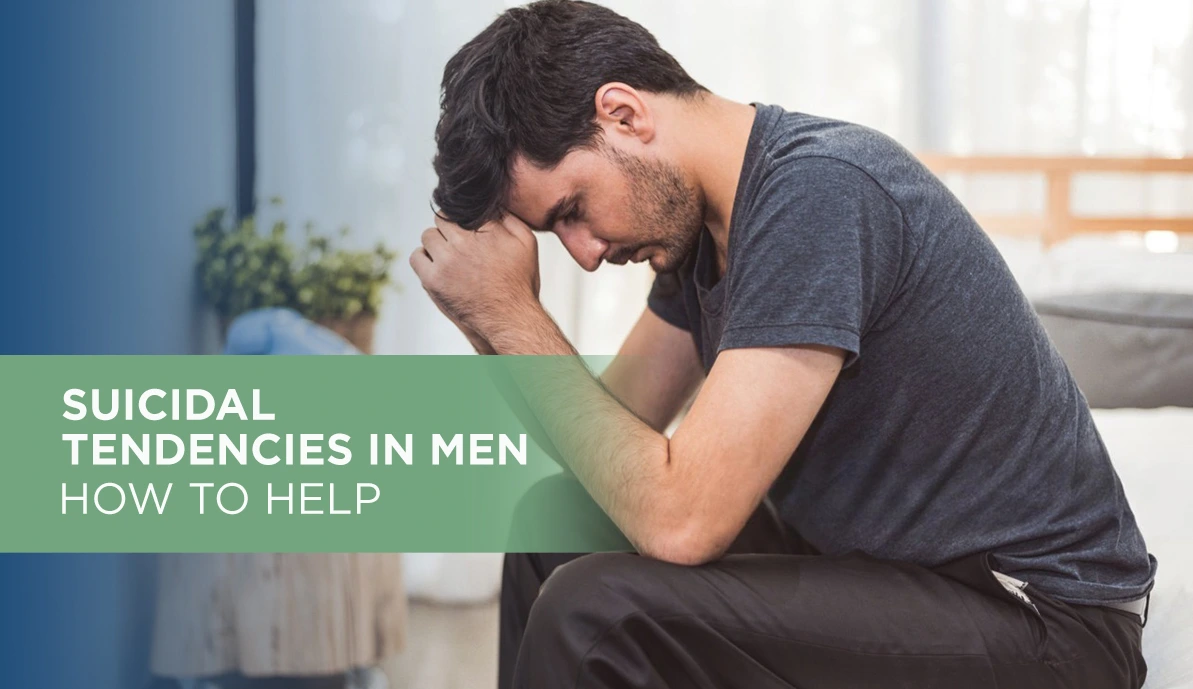
The suicidal tendencies of men are a major concern for mental health. Men silently suffer due to social pressure and stigma. Men are often expected to appear strong and not open up about their emotions.
It is important to understand the signs and how to help these individuals. This is where the role of saving lives is significant. In this post, we will discuss how to identify and help these individuals sensitively.
Suicidal Tendencies in General
Taking your own life in reaction to stressful situations is pathetic. Emotional breakdown mainly increases suicidal tendencies. If you notice someone talking about suicide, take instant action. Call a suicide hotline or local emergency helplines and make them talk to psychiatrists. Some of the common suicidal tendencies are:
- Withdrawing from social contact and wanting to stay alone
- Increasing consumption of alcohol
- Doing risky activities
- Becoming restless
- Giving away personal belongings with no logical explanations
- Feeling hopeless about a situation
- Having mood swings
- Feeling discourages
- Developing personality changes
Why Men Are at High Risk
Men generally talk less and express their feelings. Society teaches them to hide emotions like fear, sadness, shame, and frustration. This leads to bottled-up stress and agony. Over time, it increases the risk of suicidal thoughts. Let’s see what factors contribute to increasing suicidal thoughts.
- Extreme work pressure
- Poor or no recognition for the work done
- Financial stress
- Relationship problems
- Societal pressure
- Excessive use of forbidden elements like drugs
- Too much alcohol consumption
Most men pretend to stay strong when they experience problems. Failing to do so affects their self-worth. Without proper support, their feelings become overwhelming. It is important to address all the risks early to prevent suicides.
Warning Signs to Look For in Men
Identifying key warning signs in advance helps prevent a crisis. Men, in most cases, don’t openly discuss any issue for which they are struggling. Instead, their behavior changes slowly. Paying attention to the changes is important. Common signs include:
- Withdrawal from friends, family, and colleagues
- Losing interest in activities they once enjoyed
- Sudden changes in mood
- Anger and irritability
- Changes in sleep patterns
- Changes in food habits
When you notice a man feeling hopeless or staying alone all the time, call for emergency support. Early support decreases the risk.

How to Initiate the Conversation with Men with Suicidal Tendencies
Discussing mental health is difficult. But it is essential. Let’s see how to start the conversation to understand whether a man has suicidal tendencies.
- Choose a calm, private environment where you can initiate the conversation.
- Speak in a gentle and non-judgmental manner.
- Make the person feel comfortable and let them know you care for them.
- Ask simple questions directly to understand what they are feeling and how.
- Listen cautiously without interrupting or providing quick advice.
- Avoid dismissing their feelings or comparing them to others.
- Take some time to understand how the person is reacting to your questions.
After having a healthy conversation for some time, you can directly ask the person why he intends to commit suicide. This will not increase the risk. Rather, it helps in breaking the ice. Often, men break their silence after prolonged questioning. Honest conversations help them feel less alone. Developing trust in the initial step helps in the later stages of conversation.
Offering Emotional Support
Emotional support plays a pivotal role in recovery. Be patient and understanding as they share their feelings. Don’t pressure them to fix things instantly. Healing takes time and effort. You can encourage a man with suicidal tendencies to go for a walk with you or someone with whom he feels comfortable. Stay connected through calls or text messages. Let them know they are not alone. Consistent support makes a huge difference. Avoid giving lectures. Instead, focus on reassurance and empathy. Simple caring words have the power to provide comfort. Always make them feel that someone is present by their side.
Encouraging Professional Help
Professional help is necessary for proper care. Most men with suicidal tendencies hesitate to opt for such help. Encourage them to speak with a doctor or mental health expert. Several mental therapies help men understand and manage their negative thoughts. These therapies provide a safe space to express emotions. If they hesitate, offer to help them find the right support. Assist them in booking appointments or going with them. This minimizes fear and makes the process fairer. Often, taking the first step becomes difficult. But you have to do it to stop men from committing suicide.
Creating a Supportive Environment
A supportive environment helps alleviate feelings of loneliness. Encourage conversations about mental health in everyday life. This helps eliminate the stigma associated with it. Men should feel comfortable showing their emotions. Encourage healthy behaviors such as exercise and sleep. These help improve moods and reduce anxiety. Do not promote negative coping mechanisms. Healthy behaviors contribute to mental well-being. Support from family and friends is important. It can offer strength during difficult times.
Final Thoughts
Suicidal tendencies in men are a serious problem, but you can manage them with proper knowledge, signs, and support. No one should ever feel alone in their struggles.
To help someone in need, we must always have a lot of patience and understanding. Assisting people in seeking professional help is a big step in their recovery, and with proper support, they can get through this. Even a small act of kindness brings hope and healing to those in need. Understanding mental health needs courage. Follow Medipedia to learn about the factors that impact mental health and how to improve it.