

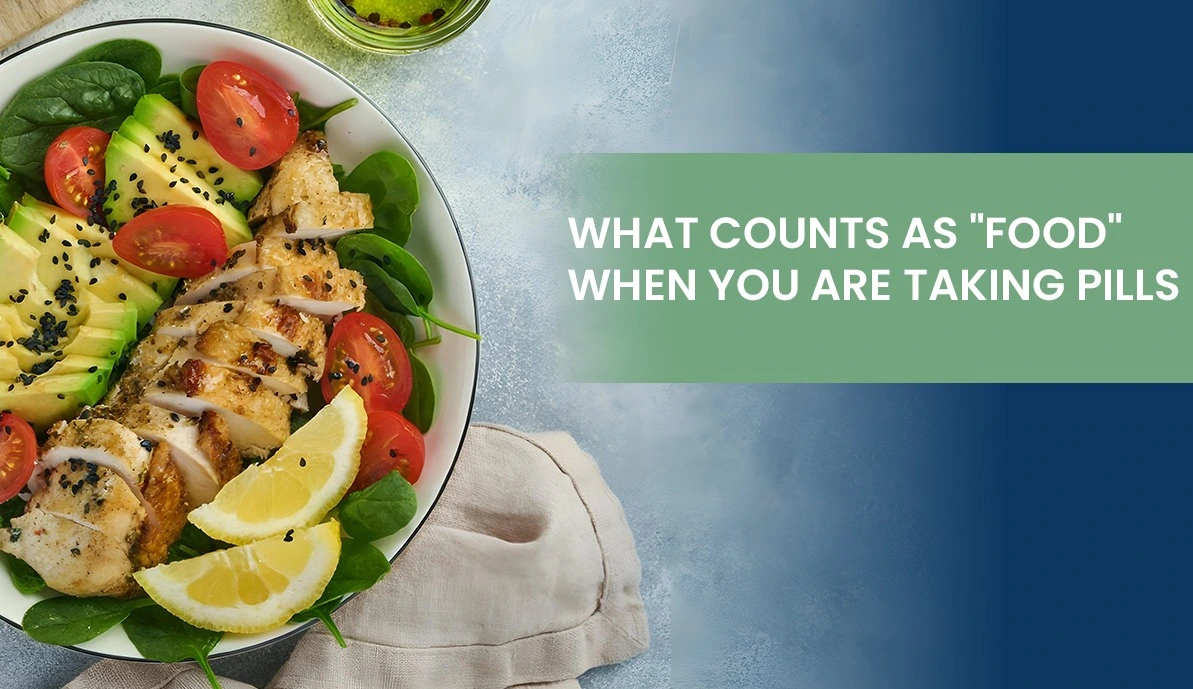
Proper administration of drugs is critical. Most medications have directions like “administer with meals” and “administer on an empty stomach.” Such directions might appear clear-cut; however, in actuality, they confuse most individuals. Having insight into what constitutes food will enhance the efficiency of such medication.
Food affects drug absorption. Some medicines require food to minimize stomach irritation, while others require an empty stomach for effective absorption.
Why Food Matters with Medicines
Taking the right amount of food helps in recovering from illness. Food also helps with proper absorption and reduces several side effects. Let’s discuss why you must take proper food while you are on medication.
- Food helps with better absorption: Some medications require food for proper absorption. Eating slows digestion, allowing more time for the medication to remain in your body. This enables the body to absorb the medication. Otherwise, the outcome might be different.
- Food reduces side effects: Certain tablets can irritate the stomach lining. Taking them with food helps protect the stomach. This reduces problems like nausea or discomfort. It makes the medicine easier to tolerate.
Take Control of Your Health Today
Quickly check your symptoms and understand your prescriptions with our smart, easy-to-use AI tools.
What Counts as Food?
Complete meals
When the directions read to take with food, then having a complete meal is the best course of action. This can include foods such as rice, bread, vegetables, or proteins. Meals will provide adequate support for any drug.
Small snacks
There are times when one does not need a full meal; small snacks will do the job. One may consume fruits such as bananas or even nuts.
What Does Not Count as Food?
Drinks are not sufficient
Beverages such as tea, coffee, or juices do not constitute food. The intake of these beverages will not shield the stomach from irritation nor contribute to the drug’s absorption. In some situations, the beverage may even interact with the drug. Water intake is significant but does not constitute food.
Small amounts of food intake
It is inappropriate to take drugs together with small pieces of food, such as biscuits or a couple of bites. Some medications require a full meal for optimal effects. Small food intake does not shield against adverse effects.
Taking Tablets on an Empty Stomach
Meaning behind “Take on an empty stomach”
To take medicines on an empty stomach, one should take them 30 to 60 minutes before meals. In some cases, it may even require waiting two hours after eating. This allows for an empty stomach, hence allowing for quick drug absorption.
Significance of the statement
In some cases, food can interfere with the absorption of certain medications, reducing their effectiveness. This makes them not effective at all.
Common Mistakes to Avoid
Most people tend to ignore instructions. They skip reading medicine labels. This leads to incorrect use. Taking medications incorrectly reduces their effectiveness. Often, people mix up the wrong foods. Certain foods can interact with medications. For instance, high-fat meals slow down absorption. Certain fruits and drinks interfere with drug action. You must know what to avoid and how to avoid.

Tips for Safe Medicine Use
Read Labels Closely
Always read the directions on your medication. Phrases such as “with food” and “before meals” are crucial. They help you take your medication correctly. In case of doubt, consult a pharmacist or physician.
Maintain Consistency
Medication should be taken at the same time each day to develop a routine. This will guarantee that you achieve consistency. Taking medication alongside meals makes it easier to remember.
When to Ask a Doctor
If you are unsure what counts as food, talk to your doctor. Different drugs have dissimilar rules. It is important to get a clear idea about what to eat with what medicine. Get clear advice from your doctor to avoid mistakes. It ensures proper treatment. If you feel uncomfortable after taking medication, do not ignore the symptoms. It may be a case where you have taken the wrong food with the medicine you take. Only a doctor can guide you with the right food and actions.
Conclusion
It is absolutely crucial to know what constitutes food when taking the pills. It will influence the efficiency of your medication. The knowledge will help you to use any medications correctly. Be always consistent and systematic. In case of doubts, consult an expert. Little things matter sometimes in the course of your treatment. Follow Medipedia to learn how proper medication use can deliver great results. Also, learn how foods can help speed up your recovery by providing support.