

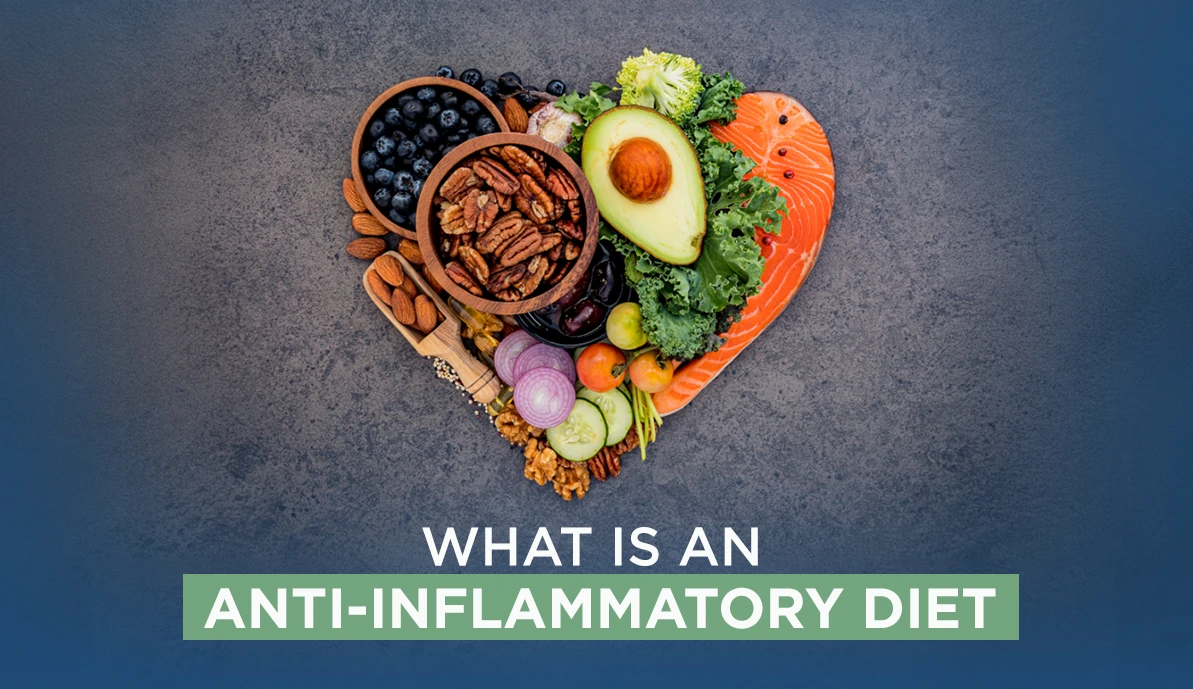
An anti-inflammatory diet aims to provide foods that help combat inflammation. Inflammation is a bodily process that helps fight infections and injuries. However, if inflammation persists for a long time, it causes health problems.
For example, doctors often link chronic inflammation to Arthritis, heart disease, and diabetes. An anti-inflammatory diet helps reduce the risk of developing these health problems. An anti-inflammatory diet supports overall health and improves one’s daily life. It is not a specific diet, but a healthy way of eating. In this post, we will discuss the causes of inflammation and how an anti-inflammatory diet can help treat it.
What Causes Inflammation?
Several factors lead to inflammation. Some of them include:
- A bad diet
- Stress
- Sleep deprivation
- Pollution
- Too much processed food
- Sugar,
- Unhealthy fats in the diet
Doctors often link chronic Inflammation with the causation of Type 2 Diabetes. This is because chronic inflammation can damage tissues, leading to long-term health problems. A good diet can control inflammation.
How an Anti-Inflammatory Diet Controls Inflammation
Good food habits prevent inflammation. Whereas, if you take too much fatty and processed foods, the symptoms increase. Let’s discuss foods to avoid and take to prevent inflammation.
Foods to Avoid
Inflammation results from exposure to toxins, a virus, aging, and chronic stress. But what you eat also contributes to inflammation. Experts recommend avoiding certain foods to prevent inflammation. These are:
- Processed meat, such as sausage, lunchmeat, and bologna
- Red meat, like hamburgers and steak
- Bread and pasta made with fine white flour
- Commercial baked foods that include fries, cakes, brownies, and cookies
- Deep-fried items such as French fries, fried chicken, and donuts
- Highly sugar-coated items like candies, syrups, and jellies
- Sweetened beverages such as canned tea drinks, soda, and sports drinks
- Trans fats are found in refrigerated biscuits, margarine, microwave popcorn, and coffee creamers
Foods to Take
Although there is no specific anti-inflammatory diet, doctors and dieticians suggest that a healthy eating pattern can help reduce inflammation. They recommend certain foods that can help bring down inflammation easily. These include:
-
- Omega-3 fatty acids: These are available in fatty fish like Herring, Salmon, Sardines, Tuna, Mackerel, Striped Bass, and Anchovies. Either you can take the fish or opt for fish oil supplements. Vegetarians have plenty of options too. They can easily get plant-based essential fatty acids from seeds, nuts, and canola oil. These are rich sources of vitamin E, known as an effective inflammation fighter.
- Vitamin C: Experts refer to this vitamin as Ascorbic acid. This is a powerful antioxidant that helps address inflammatory symptoms. You will get vitamin C from citrus fruits like lemons, limes, and oranges, as well as from certain vegetables such as broccoli and bell peppers.
- Polyphenols: Get these essential food elements by following a Mediterranean diet. This diet includes plant-based foods, poultry, whole grains, and essential oils. Many suggest taking dark chocolate and coffee, as they contain high levels of polyphenols.
- Gut-friendly foods: A healthy population of beneficial bacteria, commonly known as flora, helps keep inflammation out of the bay. You can get this bacteria in foods rich in probiotics and prebiotics.

Benefits of an Anti-Inflammatory Diet
This diet has several health benefits. It reduces the risk of chronic health conditions. It improves digestion and boosts energy levels. People living with Arthritis experience reduced pain and stiffness. It improves brain function and mood as well as the overall quality of life in the long run.
Is It Hard to Follow an Anti-Inflammatory Diet?
An anti-inflammatory diet is not very hard to follow. It is based on simple and natural foods. You do not need to buy special products. You can make it easier by planning your meals. Start with small steps, such as including more vegetables in your meals. Gradually, you reduce the amount of unhealthy foods you eat.
Who Should Follow This Diet?
This diet is appropriate for most individuals. It is, for example, helpful for those living with health conditions. Individuals who have Type 2 Diabetes and joint pain benefit from this diet.
Even healthy individuals can adopt this diet for preventive purposes. It is helpful for long-term health and provides a lot of energy. It is, however, important to seek medical advice before adopting this diet if you have health concerns. Personalized advice is important for better results.
Conclusion
An anti-inflammatory diet is a simple and effective strategy for improving your health. It is based on healthy food choices that help to nourish your body. By avoiding harmful foods, you can help prevent long-term inflammation. If you make the right choices and develop healthy habits, you can support your body naturally. A balanced approach is key to a healthy, active lifestyle. For more insightful information on diet and pain management, follow Medipedia.