

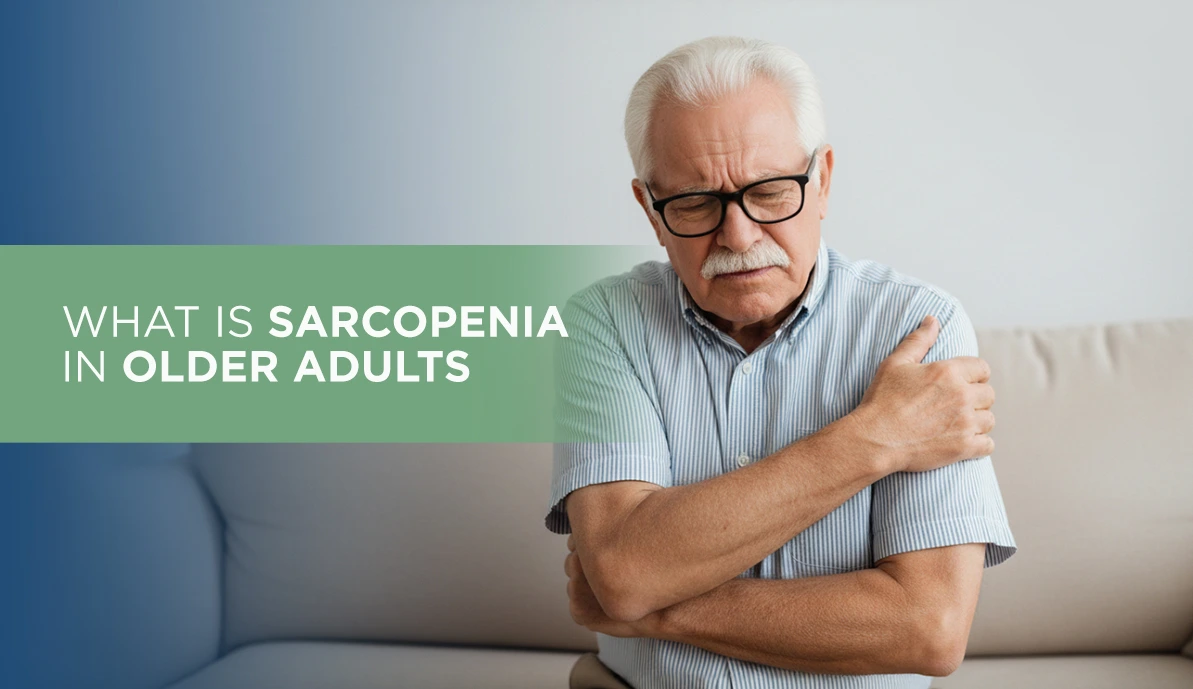
Sarcopenia is a medical term that describes the effects of the aging process on the muscles. It is the loss of muscle mass, strength, and function. It starts at age 30, and its effects accumulate over time. It affects the quality of life.
Muscle loss is one of the effects of aging. It is normal to lose some muscle mass over time. However, sarcopenia can be a serious health issue. It is important to understand this medical term to prevent it early. Let’s learn about the causes, symptoms, and how to manage it.
What Causes Sarcopenia?
The most common cause of sarcopenia is the natural aging process. People gradually start losing muscle mass and stamina sometime in their 30s and 40s. This process picks up when they reach their 70s. Rates vary, but they may lose atleast 8% of their muscle mass each decade. People lose muscle mass over time, but people with sarcopenia lose it rapidly.
Aging tends to play a dominant role in muscle loss. But several other factors cause sarcopenia. Some of these factors are:
- Obesity
- Physical inactivity
- Malnutrition
- Inadequate protein intake
- Rheumatoid arthritis
- Decrease in the ability to convert protein into energy
- Chronic diseases such as kidney infections, chronic obstructive pulmonary disease (COPD), cancer, diabetes, and HIV
- Insulin resistance
- Decrease in hormone levels
- A fall in the number of nerve cells
Common Symptoms to Notice
The most common symptom of sarcopenia is weakening of muscles. Other symptoms include:
- Difficulty in performing daily activities
- Loss of stamina
- Reduction in muscle size
- Arms and legs start thinning
- Walking slowly
- Trouble climbing stairs
- Feeling exhausted by doing simple activities
- Unable to balance while walking
- Low energy or fatigue
Weak muscles make it difficult to perform daily activities properly. Older adults find even walking a short distance tiresome. These key symptoms affect confidence and overall well-being.
Why Sarcopenia is a Concern
Sarcopenia is not just the loss of muscles. It also affects an individual’s health. Muscle weakness increases the risk of falls. This results in prolonged healing. Weakening muscles also makes an individual lose independence. This is especially true among older people. They find it difficult to carry out some activities. This affects the quality of life. Sarcopenia also slows an individual’s metabolism. This results in weight gain. This is a condition that requires attention.

How Is Sarcopenia Diagnosed?
Doctors diagnose sarcopenia after performing a physical examination and asking older adults about their key symptoms. They can complete the SARC-F questionnaire based on their self-reported symptoms.
- S – Strength
- A – Assistance with walking
- R – Rising from a chair
- C – Climbing stairs
- F – Falls
People can score each factor on a scale of 0 to 2. The highest maximum score is 10. If an aged individual scores more than 4, they need proper treatment. There is no single test to diagnose sarcopenia. Rather, doctors recommend multiple tests to diagnose and determine the severity of the disorder. Early detection helps in better management. Regular health check-ups help in detecting physical changes.
Ways to Manage and Prevent Sarcopenia
The treatment for sarcopenia varies and often consists of lifestyle modifications. These modifications to your lifestyle help treat and reverse your sarcopenia.
- Exercise: Your healthcare provider might recommend progressive resistance-based exercises. This can help reverse sarcopenia and even build more muscle strength.
- Healthy Diet: A healthy diet, combined with proper exercise, helps reverse your sarcopenia. You should try to increase your protein levels through food or supplements.
- Medication: Patients often complain of muscle pain when they experience muscle mass loss. In most cases, doctors recommend painkillers to treat pain.
Role of Lifestyle and Support
Healthy habits help reduce muscle loss. Let’s see what good habits help manage sarcopenia.
- Sleep is important to the body because it can repair the tissues.
- Stress reduction is also important to the body.
- Social support is important because it can help reduce muscle loss.
- Exercising with friends can help reduce the loss.
- Social support is important to the individual because it can help to maintain emotional well-being. It encourages the individual to live an active lifestyle.
Medical advice is important to the individual because it can help ensure they are receiving the best care. The doctor recommends supplements if the individual is not receiving enough.
Final Thoughts
Everyone will experience some level of muscle loss as they age. However, when a person has sarcopenia, they will lose muscle at a faster rate. The good news is that, yes, you can treat and even reverse the effects of the condition. Therefore, if you notice muscle weakness, reduced endurance, or other symptoms of the condition, call your healthcare provider. The doctor will diagnose the condition and provide a plan to reverse its effects. Follow Medipedia to learn how to take care of the muscles that support independence and quality of life. With the right approach, older adults can live strong and stay active for longer.