

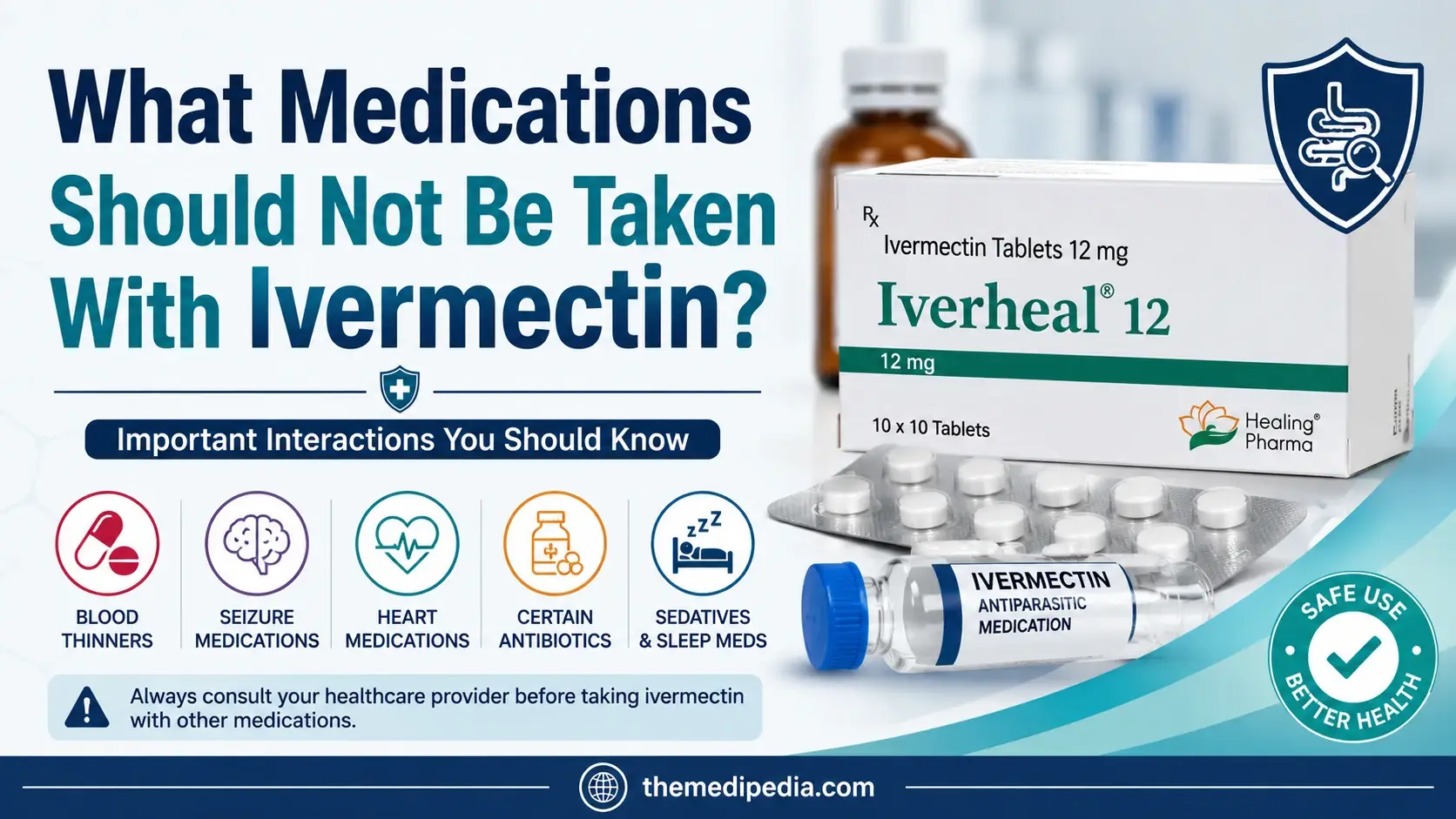
Ivermectin is a prescription drug that can be used for treating some parasitic infections. Although this medicine can work effectively when taken properly, it can cause drug interactions. Drug interactions with this medicine may enhance side effects, change the mode of action of ivermectin, or even make other medications ineffective.
When planning to use ivermectin, you should provide your health care practitioner with information about all prescription and non-prescription medications, nutritional supplements, and herbal medicines you take.
Why Drug Interactions Matter
When two drugs interact within a patient’s body to alter the effect of each on the body, the phenomenon is known as a drug interaction.
Potential Outcomes of Drug Interaction
- Side effect aggravation
- Reduction in treatment efficiency
- Modification in the mechanism of action
- Increase in blood concentration
- Risk for complications
Some drug interactions can be harmful, while others pose no health threats.
Blood Thinners
People taking blood-thinning medications should be cautious when using ivermectin medications like Evimectin-A or Iverheal 3mg tablets.
Common blood thinners are:
- Warfarin
- Certain anticoagulants
- Antiplatelet medications
Potential Concerns
| Medication Type | Possible Issue |
| Blood thinners | Increased bleeding risk |
| Anticoagulants | Require monitoring |
| Combination therapy | Potential dosage adjustments |
Healthcare providers generally recommend additional monitoring during treatment.
Medications That Affect the Nervous System
Drugs used to target the brain and nervous system might worsen the occurrence of certain side effects in combination with ivermectin.
Example Drugs
- Sleeping pills
- Anxiety pills
- Sedative medicines
- Medications used to control seizures
Possible Side Effects
- Drowsiness
- Dizziness
- Poor concentration
- Lack of coordination
Individuals must exercise caution during activities requiring full alertness.
Seizure Medications
Some anticonvulsants may interact with ivermectin.
Examples of Drugs
- Carbamazepine
- Phenytoin
- Phenobarbital
These drugs might affect ivermectin metabolism in the body.
Reasons for Potential Monitoring
- Drug level changes
- Decreased efficacy
- Possible increase in side effects
A doctor would be able to assess if any modifications are required.
Certain Antibiotics
Some antibiotics often influence how medications are metabolized.
Potential Concerns
| Medication Group | Interaction Risk |
| Certain antibiotics | Possible metabolism changes |
| Combination treatment | Increased monitoring may be needed |
| Long-term therapy | May require medical review |
Not all antibiotics interact with ivermectin 12mg. It is essential to discuss all medications you use or have used in the past with your physician.

Heart Medications
Individuals who have been prescribed medication to treat any heart disease must notify their doctor before using ivermectin.
Examples
- Medications that affect heart rhythm
- Medications that treat blood pressure
- Some cardiovascular medicines
Potential Issues
- Side effect increase
- Concentration alteration
- Need for further monitoring
Your healthcare practitioner will be able to determine if changes in your treatment plan are necessary.
Immunosuppressant Medications
People on medication that weakens their immune system might need special assessment.
Uses
- Organ transplant recipients
- Treating autoimmune disorders
- Inflammation cases
Special medical care could help reduce any risk.
Herbal Supplements and Over-the-Counter Products
Interactions go beyond prescription drugs.
Items To Be Discussed With Your Doctor
- Herbal preparations
- Supplements
- Vitamins
- Sleeping aids
- Allergy medications
Natural products can indeed interact with the prescribed drugs, damaging your immune system.
Warning Signs of a Drug Interaction
Although some patients do not face any problems when taking ivermectin 6mg, some symptoms might be an indicator of issues with the drug.
Contact a Healthcare Provider If You Experience
- Excessive dizziness
- Bleeding
- Fatigue
- Confusion
- Difficulties breathing
- Severe allergic reactions
Contact a doctor immediately if you notice unusual symptoms.
How to Reduce the Risk of Interactions
There are several measures you can take to ensure safer use of medications.
Safety Measures
- Provide your physician with a full medication profile
- This should include vitamins and other supplements
- Take medications according to dosage
- Do not self-medicate
- Promptly report unexpected side effects
- Visit follow-up appointments when suggested
These measures will assist medical practitioners in spotting problems.
Questions to Ask Your Doctor
Discussion of possible interactions before ivermectin is recommended.
Useful Questions
- Is there a possibility of interaction between ivermectin and my other drugs?
- Do I require special attention?
- Is it necessary to adjust any doses?
- What should I be alert to in terms of side effects?
- Is there something else that is better for me?
Transparency contributes to the effectiveness of treatment.
Take Control of Your Health Today
Quickly check your symptoms and understand your prescriptions with our smart, easy-to-use AI tools.
Quick Medication Interaction Summary
Let us review some common medication categories.
| Medication Category | Discuss with the Doctor? |
| Blood thinners | Yes |
| Seizure medications | Yes |
| Sedatives | Yes |
| Heart medications | Yes |
| Antibiotics | Yes |
| Herbal supplements | Yes |
Reviewing your medical list before any treatment helps lower risks.
Related Questions
Some blood pressure medications may require review before taking ivermectin. Your healthcare provider can determine whether any precautions are needed.
Ivermectin may affect how certain blood thinners work, which is why medical supervision is important when these medications are used together.
Some antibiotics may influence how ivermectin is processed in the body. Discuss all current medications with your healthcare provider before starting treatment.
Combining ivermectin with sedatives, sleep aids, or anti-anxiety medications may increase the risk of drowsiness or dizziness in some individuals.
Conclusion
Interactions may occur between ivermectin and other drugs, including blood-thinning agents, anticonvulsants, sedative agents, cardiovascular drugs, and antibiotics. The possibility of drug interaction may differ from one person to another depending on factors such as general health status, dosage level, and other drugs taken at the same time. Before taking ivermectin, make sure that your physician knows all the drugs you use. Follow Medipedia to get more interesting facts about ivermectin and its use. Do not take the medicine without consulting your doctor. Speak with your healthcare provider about your medical history, current health conditions, and any other symptoms to ensure they prescribe the right dosage.