

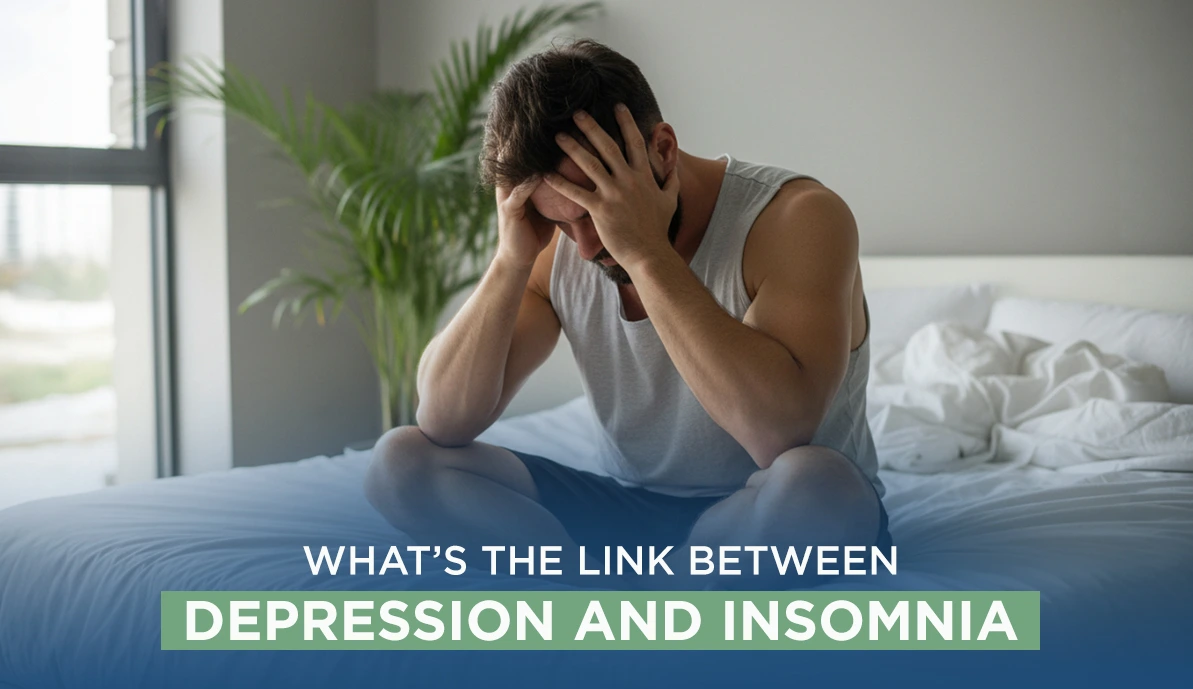
Depression and insomnia are two conditions that go hand in hand. They have a significant impact on each other. When an adult suffers from depression, they may complain of sleeping problems. On the other hand, sleeping problems lead to an individual developing depression. Today’s busy schedule has made it impossible to get a good night’s sleep. Therefore, it is essential to understand the relationship between depression and insomnia. Continue reading to understand the signs, causes, and ways of solving the problems of depression and insomnia.
How Depression Affects Sleep
Depression can change the pattern in which the brain controls sleep. People find it hard to fall asleep at night. Others remain awake or wake up too early in the morning. Some even feel tired even after sleeping for hours. Negative thoughts and excessive stress control the mind. This makes it hard to relax before bedtime. Over time, improper sleep becomes a habit, turning depression worse than ever.
How Insomnia Leads to Depression
Sleep plays a critical role in emotional stability. When an individual does not get enough sleep, their brain stops functioning. This will, therefore, lead to mood changes, irritability, and tiredness. This condition will, over time, result in depression. Sleeping less affects how an individual handles stress. Staying awake and constant worries lead to depression.
How Depression and Insomnia Affect Daily Life
For adults who are depressed and also experience insomnia, they find that these conditions combine to create a cycle that is both exhausting and emotionally taxing. Insomnia makes it difficult to perform daily tasks, ranging from performing well at work to relating well to family. Sleep deprivation also leads to difficulties in concentrating, slower response times, and a reduced ability to cope with stress.
However, depression drains an individual to the point where they are unable to maintain healthy behaviors that promote better sleep, such as exercising or eating well. In addition, depression makes social interactions difficult because individuals tend to pull away from social events due to exhaustion or depression. Insomnia also weakens an individual. The combination of depression and insomnia adversely impacts productivity. The person with both disorders fails to focus on daily tasks and often makes the same mistakes time and again. Even simple tasks become overwhelming.
Common Causes and Triggers
There are numerous reasons why insomnia and depression often occur simultaneously. Let’s discuss some common causes triggering both depression and insomnia.
- Stress is a key factor. Whether a person is suffering from financial, work-related, or personal problems, they are prone to depression. High levels of stress hormones disrupt sleep patterns while contributing to mood swings.
- Trauma is another major cause that triggers depressive episodes and chronic insomnia. Life changes and personal relationship issues mainly affect a person’s mental balance.
- Biological factors play a vital role in triggering both depression and insomnia. Irregularities in brain chemicals like serotonin, which help regulate mood, disrupt sleep.
- Medical conditions such as chronic pain, sleep apnea, and thyroid disorders also contribute to depression and sleepless nights.
- Lifestyle habits, including excessive screen time, late-night activities, and alcohol consumption, worsen depression and insomnia.
Understanding these causes and triggers helps people recognize the outcomes of complex interactions between the body and the environment. It is important to identify a pattern that helps create effective strategies to treat both disorders.

Strategies for Improved Mental Health and Sleep
Managing insomnia and depression requires an amalgamation of medical care, lifestyle modifications, and consistent self-care. Some of the key effective strategies are:
- Professional Therapy: Treatment such as cognitive-behavioral therapy (CBT) helps address negative thought patterns. This therapy helps remove bad sleep habits.
- Medication: Doctors prescribe antidepressants to stabilize mood swings and improve rest.
- Sleep Hygiene: Maintain a fixed sleep schedule to train the body’s internal clock. Wake up and sleep at the same time every day. Failing leads to sleep deprivation.
- Relaxation Process: You can practice breathing exercises or meditation before bed. This sends positive signals to your brain, thus helping you fall asleep.
- Physical Exercise: Regular exercise boosts your mood and sound sleep.
- Limiting Stimulants: Limiting the use of caffeine and alcohol, especially during the evening, prevents sleep disorders.
- Screen-free Evenings: Avoid using mobile phones or watching television before bedtime. The blue light emitted by your screen interferes with melatonin production. This hampers your ability to sleep well.
By following these strategies, people can create a strong foundation for managing both insomnia and depression more effectively.
When Should You Seek Help?
Seeking assistance is necessary when sleep issues or emotional changes persist for weeks. When they start to interfere with day-to-day life, seek professional assistance. If you fail to address these issues, it will worsen. Early intervention definitely produces better outcomes. A professional, whether a doctor or a mental health worker, can offer proper guidance. They will be able to pinpoint the source of the problem and offer guidance on how to treat it. Support from family members and friends is also vital. Taking that first step is important.
Conclusion
It is important to move forward with hope and resilience. Depression and insomnia may feel overwhelming. However, if you consult a doctor, you can overcome the situation. The right care, medication, and lifestyle changes help in combating the ill effects of depression and insomnia. Poor sleep affects moods, while depression may affect sleep. This fact is important in effectively managing these two issues.
It is therefore possible to end the cycle with the right medication and lifestyle changes. Good sleep is important in maintaining mental health, while a good mood is important in ensuring quality sleep. The balance of the two is important in achieving a healthy and peaceful life. Follow Medipedia for more insightful thoughts and information on insomnia and mental health. Only a doctor can guide you through the entire process of dealing with both disorders. The right drugs, therapies, and nutritious foods help you manage both disorders.