

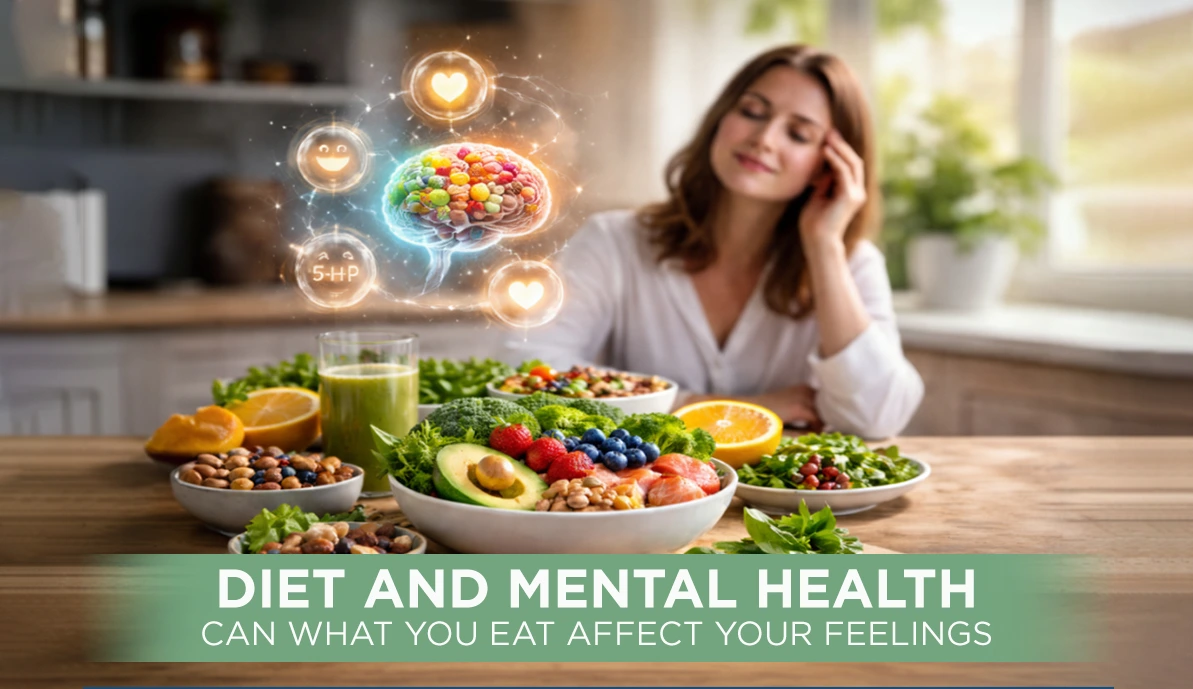
Food not only nourishes the body but also influences your mental state, emotional responses, and ability to cope with stress. It is not uncommon for individuals to experience mood shifts in response to their food intake. The reason is that the brain requires proper nutrition to function effectively.
Mental and physical well-being are closely related. Proper nutrition supports improved brain performance and helps you feel more energized and emotionally balanced. Conversely, unhealthy eating habits result in exhaustion and erratic moods.
How Foods Affect the Brain
Our brain requires a steady supply of nutrients to stay active and balanced. What you eat directly affects your brain structure and mood. Let’s see what foods affect your brain and how.
- Vitamins, minerals, and healthy fats support steady brain function. They help produce certain chemicals that control emotions and mood. Without proper nutrition, these processes slow down.
- Blood sugar levels also affect our brain function. Eating a balanced meal helps keep blood sugar levels stable. A sudden drop in blood sugar levels makes you feel anxious, tired, and irritable. Regular meals help maintain steady energy throughout the day. Don’t skip meals, as doing so will impact your blood sugar levels.
- Hydration also plays a significant role in mental wellness. If you don’t drink adequate water, you might lose concentration and suffer from mood shifts. Even mild dehydration leads to fatigue.
Take Control of Your Health Today
Quickly check your symptoms and understand your prescriptions with our smart, easy-to-use AI tools.
Nutrients That Support Mental Health
Eating a balanced, nutrient-rich diet can improve your mental health. For example, certain fruits and vegetables help improve mental well-being and increase your satisfaction levels. Experts suggest considering nutrient-dense whole grains rich in fiber, protein, and healthy fats. If you are not sure how and where to start, a Mediterranean Diet is a smart option. To follow this diet, you have to increase your intake of:
- Fresh fruits
- Organic and often fermented vegetables
- Omega-3-enriched fatty fish, such as salmon, mackerel, and tuna
- Legumes
- Nuts and seeds
- Dairy products
- Olive oil
When you are on a Mediterranean diet, avoid foods like:
- Processed meat
- Fried foods
- Sweetened beverages
- Baked foods
Vitamin B-complex is another key element that supports your mental health. B vitamins help the brain manage stress and generate energy. Try foods like whole grains, leafy vegetables, and eggs for better results. A lack of vitamin B-complex affects mood and concentration. Protein is essential for emotional balance. It provides the amino acids needed to produce mood-related chemicals. Include protein in your daily diet to prevent mood shifts.
The Impact of Processed Foods
Consuming highly processed foods has been found to affect one’s psychological well-being negatively. Such foods usually contain high levels of sugar and fat, which cause rapid energy peaks followed by crashes and negative mood swings. Frequent consumption of this kind of food increases the probability of suffering from depressive disorders because the lack of certain important nutrients causes deterioration of brain health. It is wiser to choose nutritious foods. It is advisable to regulate the intake of caffeine and sugar to avoid excessive stress and anxiety.
Building a Mood-Friendly Diet
A balanced and nutritious diet is the foundation of good mental health. It is important to build a comprehensive mood-friendly diet to ensure a healthy mental state. Here’s how you can do it.
- Include a mix of fruits, whole grains, vegetables, and proteins. These provide the brain with necessary nutrients. A variety of foods ensures you get a wide assortment of benefits.
- Eat your meals on time. Maintain a fixed schedule and never skip meals. Skipping meals raises your blood sugar levels and can affect your mood. Maintaining uniformity helps maintain emotional stability and energy.
- Mindful eating also improves your relationship with the food you eat. Paying attention to what you eat reduces stress, helps you make better decisions, and lets you enjoy meals. Mindful eating leads to good food choices.
Lifestyle Factors That Matter
A healthy diet alone is not sufficient for achieving optimal mental health. Other things influence it.
- Exercise helps lift one’s mood and reduce the effects of stress.
- One more important component of a healthy lifestyle is adequate sleep. Sleep deprivation leads to appetite disturbances, unhealthy eating, and negatively impacts one’s moods and focus.
- Communication and proper stress management are useful when maintaining a healthy mental state.
A balanced lifestyle supports both physical and mental well-being.

When to Seek Help
When you observe that your moods fluctuate regularly, then it is high time that you sought professional help. While eating habits are important for mental wellness, they should never be used as an alternative to seeking medical assistance. You should consult a doctor or counselor who can guide you appropriately. Professional nutritional counseling could help. Consulting a dietitian would give you tailored suggestions based on your specific requirements. It ensures the intake of adequate nutrients that support your psychological well-being.
Eat Healthy! Live Healthy!
Nutritional psychiatry is an exciting area of study that holds promise for changing how we manage our mental well-being. The well-being of our digestive system and its bacteria could hold the key to managing our mental wellness and controlling our emotions. Consuming a healthy, nutritious diet will help us achieve gut well-being, whereas ultra-processed foods are not considered beneficial and should be avoided. If you are planning to make dietary changes to improve your mental wellness, follow Medipedia and take it step by step, starting with just a couple of food swaps.