

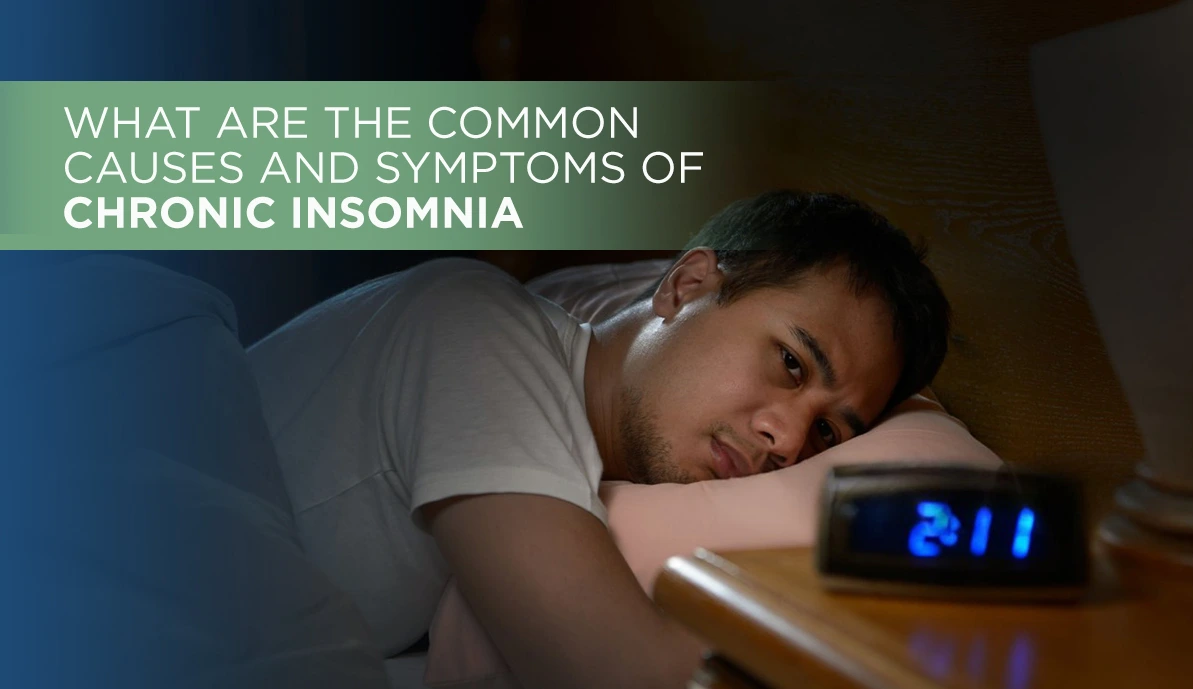
Chronic insomnia is a sleep disorder that many adults experience. It is a condition in which one has difficulty falling asleep or staying asleep for a long time. Chronic insomnia differs from other sleeping disorders in that it persists for weeks or months, rather than just a short time.
Sleep is crucial for the proper functioning of both the mind and body. If one’s sleep is interfered with, one may experience severe health problems. It is therefore crucial to be aware of the causes and symptoms of chronic insomnia to facilitate proper management.
Common Causes of Chronic Insomnia
Chronic insomnia is a condition in which a person has long-term difficulty falling or staying asleep, or getting non-restful sleep, for at least 3 nights a week for 3 months or more. The most common causes include chronic stress, anxiety or depression, poor sleep habits, medical problems such as pain and thyroid problems, and medications. Let’s discuss in detail.
Stress and Anxiety
Stress is one of the major factors that cause chronic insomnia. Thinking about work, money, or other problems may keep the mind active at night. Anxiety prevents one from relaxing and falling asleep. Thinking too much causes one to sleep restlessly.
Poor Sleep Habits
An irregular sleep pattern can affect a person’s internal clock. Going to bed and waking up at different times every night affects sleep quality. Using phones or watching screens before sleeping also affects sleep quality. This makes it difficult to sleep naturally.
Medical Conditions
Some medical problems cause chronic insomnia, including chronic pain, asthma, and gastrointestinal problems. Mental disorders like depression and anxiety are also known to cause insomnia. Treating the underlying condition can improve sleep.
Medications and Substances
Some medications interfere with sleep patterns. Blood pressure medicines, stimulants, and certain antidepressants often affect sleep. Nicotine, alcohol, and caffeine also disrupt sleep patterns. Reducing the intake of specific medicines and substances helps improve sleep quality. Doctors prescribe medicines such as Zopisign, Zopiclone, Zoltrix, and Eszopiclone to treat insomnia.
Lifestyle Factors
Lack of physical activity contributes to insomnia. A sedentary lifestyle impacts the body’s natural sleep cycle. Irregular eating habits and late-night meals also adversely affect sleep rhythm. Making simple lifestyle alterations improves sleep quality over time.
Common Symptoms of Chronic Insomnia
Now that you are aware of the causes of chronic insomnia, it is time to understand the key symptoms of the disorder.
Difficulty Falling Asleep
People with chronic insomnia struggle to fall asleep. They remain awake for long hours before falling asleep. This leads to stress and frustration. Over time, it disrupts the sleep cycle and damages your confidence.
Frequent Night Awakenings
Frequent nighttime waking is another key symptom. People with this symptom find it hard to fall back asleep after waking. This leads to broken or poor sleep. Hence, the body fails to get enough rest, which helps improve stress levels.

Early Morning Waking
Some people wake up too early and can’t fall back asleep. This reduces sleep duration, leading to daytime tiredness. Early waking is a major symptom of insomnia.
Daytime Fatigue
Lack of deep sleep causes extreme daytime tiredness. People start feeling exhausted and have low energy throughout the day. This impacts work, daily activities, and concentration. Fatigue is one of the most prominent symptoms of insomnia.
Mood Swings and Irritability
Chronic insomnia affects mental health. It causes irritability, low motivation, and mood shifts. Some people also feel depressed or anxious. Improper sleep affects emotional stability.
Difficulty Concentrating
A proper deep sleep is crucial for brain operations. Insomnia lessens concentration and memory. People find it hard to finish assignments on time. This affects performance at school, in the office, or in any other setting.
When to Seek Medical Help
If insomnia lasts for more than a few weeks, it is important to seek help. You must not ignore long-lasting Insomnia. This is because a healthcare provider can diagnose the cause. This helps prevent complications from developing. If insomnia affects daily life or mental health, you need proper medical advice. Severe fatigue, mood changes, or poor concentration are warning signs. A doctor may suggest therapy or lifestyle changes. Proper care improves sleep quality.
Tips to Manage Chronic Insomnia
People who have insomnia often fail to learn the quick and easy steps to manage chronic symptoms. Here are some valuable tips that can help you ease the symptoms:
- Maintain a regular sleep schedule.
- Go to bed and wake up at the same time each day, helping your body adjust to a regular sleep cycle.
- Create a soothing sleep environment and maintain it every night to ensure deep sleep.
- Reduce screen time before bedtime.
- Practice light exercises before bedtime.
- Try running, swimming, biking, or stair climbing during the day to reduce stress and improve overall health.
- Eating light meals in the evening helps you get a good night’s sleep.
- Restrict caffeine and alcohol intake.
- Try relaxation techniques such as meditation and breathing exercises to reduce stress.
Small changes make a huge difference. Follow these tips consistently to manage chronic insomnia.
Final Thoughts
Chronic insomnia is a common condition that impacts sleep quality and daily life. Stress, poor lifestyle habits, poor diet, and prior health issues cause insomnia. Recognizing symptoms early helps ensure proper management and a cure. Simple lifestyle changes and medical support help treat the disorder and improve sleep quality. Follow Medipedia to learn the key steps to manage chronic insomnia symptoms and how certain medications can effectively treat the disorder. Consult your doctor before taking any drug. Self-medication is fatal. With the right approach, better sleep is possible.